- Why TV-style storytelling dominates YouTube
- How episodic series deepen viewer loyalty
- Turning creator shows into brand impact
At this year’s VidCon, YouTube went off-book. No, they didn’t host a typical panel like you might expect. Instead, they staged a full-blown 20-minute game show.
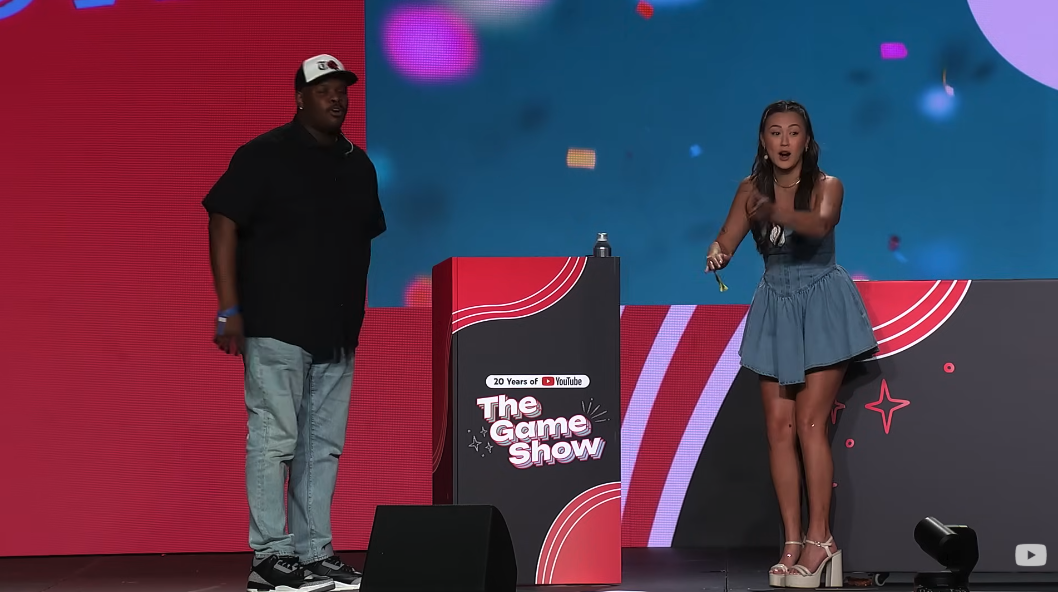
Hosted by comedian Carl Tart and featuring Jeannie Weenie, LaurDIY, and Ian Hecox of Smosh, contestants guessed viral videos from cryptic comment threads, pitched absurd video titles like “ASMR Lawn Mower,” and even played mukbang charades.
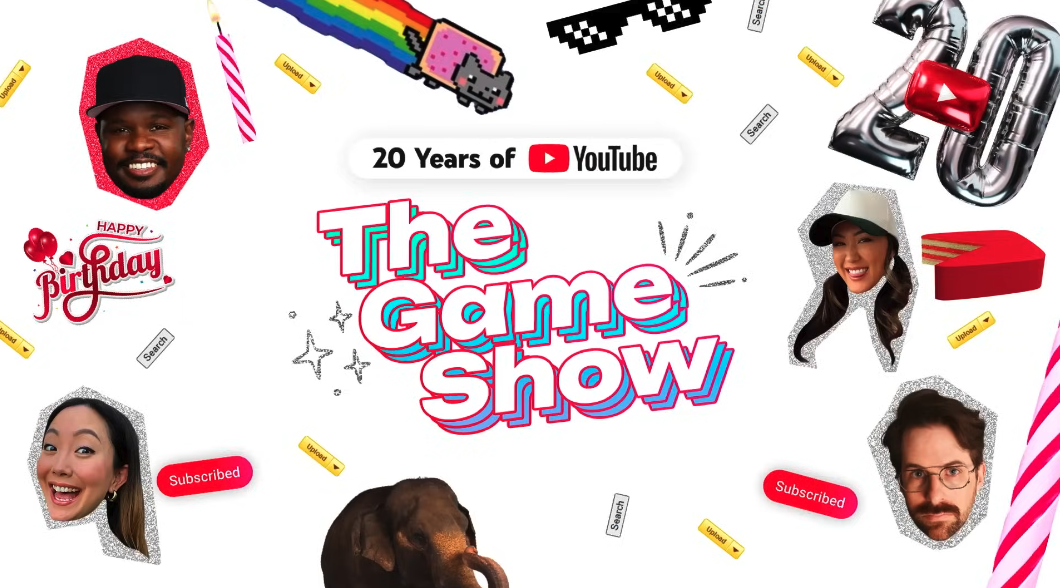
The energy was pure old-school TV game show meets YouTube’s greatest hits—complete with audience shout-outs and inside jokes from 20 years of creator culture.
The show resonated. And it hinted at what’s next for brands: an opportunity to blend old-school formats (television and game shows) with modern creator star power on YouTube.
Why TV-style content is a ripe opportunity for brands
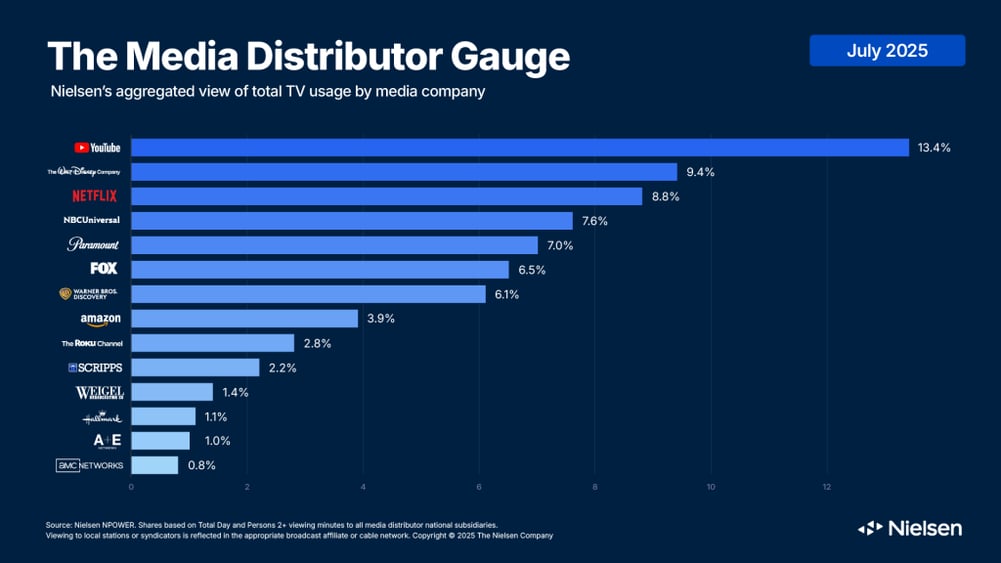
People already treat YouTube like television. In fact, in July, the platform captured 13.4% of all US TV viewing (more than Disney, Netflix, and NBC), which is its sixth consecutive month at the top of the charts.
Audiences are also proving that they’re interested in longer content formats on social media. Fifty-one percent of YouTube users say they’re most likely to engage with brands’ long-form videos.
Nostalgia makes the experience even stickier. Television-style content (in and of itself) carries its own nostalgia. For many, it evokes gathering around the living room for Saturday morning cartoons or weekly sitcom lineups — shared rituals that defined an era.
That emotional pull is part of why TV-style formats feel familiar on new platforms: they echo those collective experiences while updating them for the digital age.
Pair the desire for longer formats with a love for the nostalgic and the star power of creators, and you get a winning formula.
Practical takeaways for marketers looking to join the fun
TV-style content on social platforms is a way to build loyalty through formats that audiences instinctively know and enjoy—and to keep their attention for longer than 30 seconds.
Here are some practical takeaways for brands looking to tap into this opportunity:
1. Develop series formats that keep audiences returning
For a TV-style YouTube project, think like a showrunner, not a campaign manager. A consistent format—weekly quizzes, monthly creator challenges, or seasonal “best of” shows—builds anticipation and encourages loyalty.
For example, a beauty brand could launch a “DIY Face-Off” where influencers compete to recreate trending looks, with new rounds premiering every Friday. Or a food brand might create a rotating “Mystery Ingredient Challenge,” giving viewers a reason to tune in weekly to see what chefs whip up next.
2. Tap into nostalgia and cultural moments
Formats land harder when they borrow from shared cultural touchpoints. Nostalgia is powerful because it sparks recognition and makes people want to share the memory with others. The YouTube game show worked because it leaned into early viral hits like Shoes and Chocolate Rain, instantly pulling the crowd into a collective wink at creator history.
Brands can do the same. A toy company could revive the energy of ’90s Nickelodeon slime with a “Slime Lab Live,” while a snack brand might remix the Saturday morning cartoon block into a weekly watch-along. Or a sports brand could time a trivia series to the anniversary of a legendary playoff, letting fans relive the moment together in a new format.
3. Experiment with pilots
Not every idea needs to (or should) launch as a 12-episode season. Start small with a 3-part arc (intro, challenge, finale), measure engagement, and scale only if the response is strong.
For example, a brand could test an “Office Olympics” mini-series featuring employees as contestants. Or a fashion retailer could pilot a 3-episode “Thrift Flip Challenge,” where creators transform second-hand finds (tease the haul, reveal the transformation, show the styled look).
If it resonates, expand into a full season to build on the momentum.
4. Co-create with creators
92% of consumers say they trust recommendations from creators more than traditional ads or celebrity endorsements. That influence makes creators more than distribution channels—they’re collaborators who can shape the story itself and draw in a crowd.
The VidCon show worked because Jeannie Weenie, LaurDIY, and Smosh were the talent and part of the format.
So, keep this in mind as you build your show: When creators help design the games or storylines, the result is authentic to their communities and resonates more deeply.
5. Up production quality
The choice of host (Carl Tart) and contestants, coupled with the production value, made the VidCon show feel like premium entertainment. Production quality (in television) signals to viewers that the content is worth their time, even if the budget isn’t Hollywood-level. Brands don’t need a late-night studio, but the right casting and structure can elevate the whole experience.
Think of it like curating a lineup. A fitness brand might recruit a comedian host and recognizable YouTube trainers for a “Workout Roulette” game where contestants spin a wheel of wild exercises. Even simple elements—good lighting, a tight script, or branded set pieces—can transform a scrappy shoot into something audiences treat like an event.
6. Plan for a fast turnaround
Agility counts. The YouTube game show was conceived and executed in under two months, proving speed doesn’t have to sacrifice polish. In fact, timeliness is often what makes a format resonate—culture moves fast, and audiences engage most when content feels in the moment.
A brand could jump on a trending meme by building a game show pilot in weeks, without sacrificing quality. Even releasing a mini-series tied to a seasonal moment (like holiday shopping hacks or summer travel challenges) can show audiences you’re tuned in.
Pro tip to speed things up: Build a production template—same set, recurring host, and modular segments—so you can turn around new episodes quickly without starting from scratch.
7. Pair formats with Shorts
While long-form TV-style content presents a new opportunity to engage audiences, short-form content isn’t going anywhere. In fact, it’s still where most discovery happens.
The opportunity lies in pairing the two: long-form content delivers depth and loyalty, while short-form content extends reach and keeps content circulating in feeds.
To make it work, plan clippable moments into the script—a buzzer-beater challenge, a surprise twist, or a meme-worthy reaction—so each episode reliably yields assets you can spin out across platforms.
8. Roll out across platforms
Full episodes belong on YouTube, but recaps, behind-the-scenes footage, and interactive polls can run on TikTok, Instagram, or even Twitch. A cooking brand, for example, could premiere its series on YouTube, drop recipe “hacks” as TikToks, and host live voting on Instagram Stories.
And don’t forget the multiplier effect. When creators share episodes or spinoffs on their own channels, the content reaches a wider audience. That dual distribution—brand platforms plus creator platforms—turns a single format into an ecosystem.
Conclusion: Becoming the Entertainment
To sum it up, TV-style content on YouTube shows that familiar rituals—like weekly episodes and cultural callbacks—still carry weight on new platforms. For brands, it’s an opening to create programming that feels familiar, yet fresh enough to keep audiences coming back.
.png)
.png)
.png)