

.png)
On a random weekday night, millions of people aren’t just watching The Bachelor or Dancing With the Stars; they’re watching it together.
People aren’t going to AMC to watch the release of Taylor Swift’s new album; they’re going to celebrate their favorite artist with other fans. The local hot spot in town isn’t just showing the week’s sporting events; it’s hosting movie nights and series finale nights.
Group chats are lighting up, TikToks are dropping in real time, and somewhere, brands are hosting watch parties that feel more like a friend hangout than a marketing activation.
That’s the new frontier of brand participation: less broadcast, more belonging. As audiences gather online to stream, post, and comment together, the smartest brands aren’t interrupting the experience — they’re becoming part of it.
From Viewers to Co-Conspirators: Why Brands Are Joining the Party, Not Crashing It
Streaming and social have dissolved the old idea of “prime time.”
People now co-create the viewing experience by recapping on TikTok, live-tweeting finales, and sharing memes before the credits roll. The emotional energy around these moments is immense, and brands are finally learning to plug into it with empathy rather than intrusion.
Branded watch parties are a simple but powerful shift. Instead of buying ad slots during a show, brands are creating parallel experiences around it — digital or IRL spaces where fans gather, react, and connect. It’s not just “sponsorship”; it’s shared storytelling.
Hosted events like Dancing with the Stars and Love Island watch parties double as live social content sessions.
At countless venues across the country, guests didn’t just sip mocktails and eat girl dinners — they filmed reactions, tagged friends, and became micro-distributors of brand energy.
Similarly, Candier's tongue-in-cheek Bachelor nights turned candles and commentary into cultural participation, helping the brand grow a loyal following among Millennial and Gen Z women who equate humor with authenticity.
The difference between those activations and traditional event marketing? Watch parties aren’t polished; they’re personal. Attendees meet people in their natural media habitat and give them permission to connect through shared emotion.
The Emotional Engine Behind Every Great Watch Party
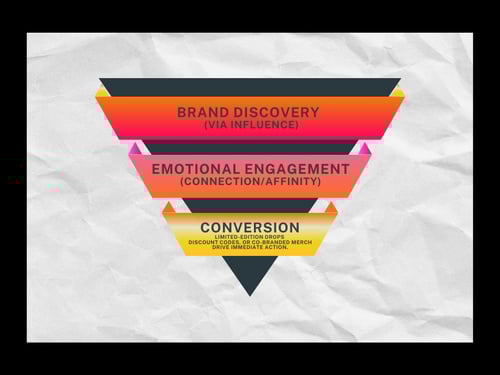
That emotional energy doesn’t just create buzz; it quietly powers every stage of the marketing funnel. When a watch party connects entertainment, community, and commerce, it becomes a seamless journey from discovery to purchase.
When done right, it becomes a full-funnel experience:
- Top of Funnel: Fans discover the brand through social chatter or influencer-led watch events.
- Mid-Funnel: They engage emotionally — associating the brand with something they already love.
- Bottom-Funnel: Limited-edition drops, discount codes, or co-branded merch drive immediate action.
But the true power lies in the psychology of participation.
Unlike ads, which aim to capture attention, watch parties invite involvement. When people laugh, cry, or cheer together, those emotions anchor the brand to the experience. It’s why viewers remember the chips they were eating or the drink they had in hand during their favorite finale.
According to a Sprout Social report, 70% of consumers say they feel “more connected” to brands that participate authentically in cultural conversations. Watch parties do exactly that by not talking at audiences, but by sitting beside them.
Fandoms Are the New Focus Groups and They’re Happening in Real Time
TV fandoms are one of the internet’s most powerful cultural engines. They’re passionate, organized, and endlessly creative. For marketers, they’re also the perfect test bed for building community-based campaigns.
When Love Island airs, fans don’t just consume content — they analyze it, remix it, and keep the conversation alive for days across social platforms. Smart brands recognize that this ecosystem already exists; the key is to contribute without co-opting.
That’s where watch parties and live experiences shine. They give brands a natural reason to enter fan spaces, adding value rather than noise. Some brands create reaction content during live events, others host Q&As or giveaways tied to major plot twists. A few even integrate user-generated moments — think custom cocktail recipes, themed merch, or memes turned into limited-edition packaging.
In doing so, brands don’t just borrow attention from pop culture — they build their own storyline within it.
The Co-Viewing Boom Is Bigger Than TV and Brands Are Catching Up
The idea of watching together isn’t confined to television anymore. It’s spreading across every corner of digital life.
Twitch streams, YouTube premieres, sports simulcasts, and even major news events are all becoming co-viewing opportunities where brands can show up meaningfully. During the FIFA Women’s World Cup, for instance, athletic and beverage brands hosted community streams that blurred the line between fan celebration and brand experience.
What unites all these examples is a shift from content as performance to content as participation. In a fragmented media landscape, co-viewing restores something human: shared emotion at scale.
And for brands, that’s gold because as algorithms increasingly isolate audiences, live moments bring them back together, and that’s when marketing feels most real.
What You Can’t Measure (Yet) Might Be Your Strongest ROI
Marketers often ask: how do you measure something as intangible as community energy? The answer lies in emotional metrics that ladder up to tangible impact.
A well-executed watch party can:
- Drive reach via organic user-generated content (fans sharing posts from the event).
- Boost brand sentiment through positive mentions and earned media.
- Increase conversion when integrated with product sampling, promo codes, or affiliate links.
For example, beverage and snack brands that co-hosted Bachelor finale parties last season saw a 25–40% lift in branded search during the campaign window, according to CreatorIQ’s State of Creator Marketing Report.
More importantly, watch parties generate residual equity. The photos, memes, and inside jokes created in those shared moments live on long after the event, and every time they resurface, so does the brand.
How to Host a Watch Party That Feels Human
Operationally, the most successful watch parties happen when social, influencer, and experiential teams collaborate. Treat it like a mini-campaign sprint — shared briefs, live Slack rooms, and fast content approval loops make the moment feel alive rather than delayed by red tape.
The best watch parties aren’t massive productions, but intentional, low-lift moments designed for connection. These ideas work whether you’re a global brand or a startup testing the format for the first time.
- Where does your audience already gather? (Reddit threads, Discord channels, TikTok fandoms)
- Who can host the conversation naturally? (Creators, fans, micro-influencers, or employees)
- What emotion do you want to evoke? (Nostalgia, humor, anticipation, comfort)
Once you have your answers, build the experience around them. A few smart starting points:
- Partner with fandom-native creators. Invite them to co-host or narrate the event live. Their commentary carries cultural fluency money can’t buy.
- Blend digital and physical touchpoints. Ship a branded “watch kit” — popcorn, drinks, themed merch — that fans can unbox together on TikTok.
- Use real-time social moments. Respond to live comments, feature user posts, and make the audience part of the show.
- Capture insights. Use social listening to measure engagement, sentiment, and which moments resonate most.
Remember: people aren’t tuning in for a brand. They’re tuning in for a feeling. Your job is to amplify it without breaking the spell.
In an Algorithmic World, Shared Moments Are the New Influence
As algorithms get smarter, audiences get lonelier. Co-viewing fills that gap by giving people a reason to connect around something joyful, dramatic, or ridiculous together. It’s not just entertainment; it’s belonging.
And for brands, that’s the most human touchpoint marketing has left.
In an era of automation, live shared moments remind us that influence is still built one emotion at a time. Whether it’s a Love Island premiere or a major sports final, the brands that show up with curiosity and care will find themselves invited into the moment — not as sponsors, but as guests who belong there.
For marketers, that’s the ultimate goal — to move from paid visibility to emotional permission. Because in 2025, attention is cheap. Affinity is priceless.


.png?width=300&height=300&name=July%20lists%20and%20blogs%20(1).png)