

Bad Bunny blew the roof off the Super Bowl. Literally. With the most-watched halftime show in Super Bowl history, the 2026 performance wasn’t just a spectacle but THE defining cultural moment of the night.
While the halftime lights dazzled and the $8 million ad spots aired, something else was unfolding in real time. A wave of brands chose not to buy airtime. Instead, they watched the cultural signals closely and then moved fast when the moment was right.
The Super Bowl represents more than a single $8 million placement. It is a live cultural ecosystem where the game, the audience, and the brands all shape the conversation.
These were the marketers who tracked the shifts, read the room, and jumped in at exactly the right moment. The following is about the brands that understood the Super Bowl isn’t just a broadcast event, but a live cultural playground.
BYOMA – The Shorttime Show
Ahead of the halftime show, a viral narrative took hold on TikTok and Twitter: Was there a height requirement to participate/volunteer in Bad Bunny's performance? Applications detailed volunteers needing to be at least 5’7 with a slim medium build.
Memes exploded with jokes about "short kings and queens" being excluded from the stage, turning this into a viral conversation about representation, bias, and the eternal plight of the petite. We later realised that the production called for hundreds of volunteers to wear oversized moss suits, and for safety and fit reasons, participants had to fall within a specific height range.
But prior to this reveal, a brand capitalized on this viral moment.
Enter BYOMA, a skincare brand already beloved by Gen Z for its bright, inclusive aesthetic and barrier-friendly formulations. Rather than ignore the discourse, BYOMA doubled down.
In under two weeks, BYOMA conceptualized, produced, and launched "The Shorttime Show", a parody halftime performance that celebrated short kings and queens. The campaign spotlighted their Bio-Collagen Radiance Facial Mask and cast diverse Gen-Z influencers to star in a bold, inclusive spoof on over-produced halftime glam.
With a 30-second regional TV spot in Seattle and a full digital rollout, they aimed squarely at TikTok culture: punchy visuals, memeable moments, and a tone that blended irony with sincerity.
IKEA – Honoring Bad Bunny
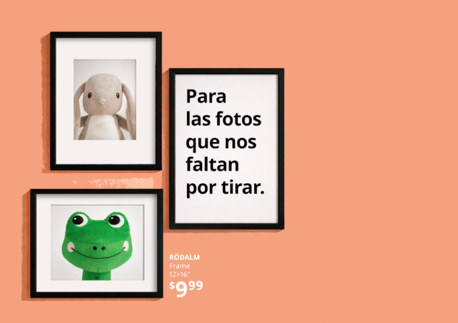
IKEA took a thoughtful and culturally rich approach to the Super Bowl moment, honoring elements of Bad Bunny’s historic performance with a series of stills that celebrated his artistry, identity, and lyricism. Rather than jumping in with generic shoutouts, IKEA grounded its campaign in specific references from Bad Bunny's performance and trending discography.
One image reinterpreted the iconic lyric "Debí tirar más fotos" ("I should have taken more photos") with IKEA’s clean aesthetic, using product visuals to emphasize nostalgia and emotional recall. This was a subtle nod to how furniture and memory intertwine. Another post modeled IKEA pieces to mirror key visuals from the halftime show itself: tall grass-like fixtures echoing the performance's dreamlike set design, and a modern chair styled after the one featured on the cover of Bad Bunny's album "DeBÍ TiRAR MáS FOToS."
This was all about speaking the language of the fans and those who knew the visuals, the lyrics, and the emotional tone of Bad Bunny’s work. The campaign struck a chord within Latino communities and design-minded audiences alike, earning organic shares and affirming IKEA as a brand that not only listens but reflects back with care.
UVA App – Halftime Lyric Hack
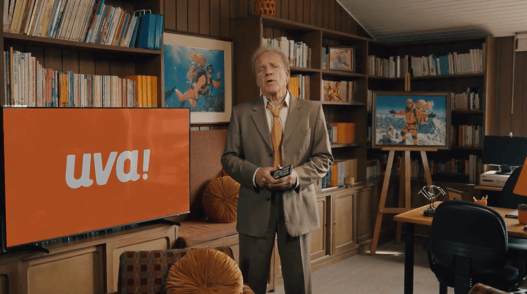
When Bad Bunny opened his halftime show with the lyrics “uva uva bombón,” in the song “Tití Me Preguntó”, Puerto Rican delivery platform UVA App knew they had to capitalize on that moment. What better way to do this than build an ad around a play on words. This moment had to be turned into an audible brand cue broadcast to millions.
The UVA team engineered a real-time flash promotion that would unlock $1 deals in their app the instant the lyric dropped. Not before. Not after. Right then. It was geo-targeted, song-synced, and completely ephemeral by lasting only as long as the song played during the performance.
The result? Screens lit up across Puerto Rico as users scrambled to claim deals. The campaign turned a song lyric into a sales channel, but more importantly, it turned UVA into a cultural participant and not just a vendor. It said: we know the moment, and we know you’re watching. We’re right here with you.
Dairy Queen – Taylor and Swift
The NFL + Taylor Swift rumors have been headline fuel all season. Most were expecting Swift to headline this year before Bad Bunny was announced. And even despite this, the 2025 Super Bowl was all about Swift’s romance with football star Travis Kelce of the Chiefs.
So when the Super Bowl arrived, Dairy Queen jumped on the story and decided to ride on Swift’s coattails but without actually invoking Swift's name. Enter: "Taylor & Swift," a campaign fronted by NFL players Tyrod Taylor and D’Andre Swift.
The rollout didn’t stop at the film. DQ backed it with social-first content, a catering giveaway, and interactive fan moments engineered to sit seamlessly alongside Big Game chatter. At the center: their new Flamethrower Chicken Strips and soft-serve dipping sauce. These are products built for halftime spreads and meme-able moments alike.
This was stealth marketing done right. It had just enough wink to get picked up in media coverage, while keeping the brand fun, family-friendly, and focused on food. It was situational marketing with a twist of pop culture smarts all leveraging the culture that goes beyond the Super Bowl game itself.
Duolingo – Say It in Spanish
We all know Duo the Owl that kills it on social. And the Super Bowl moment did not get missed by this iconic bird. Capitalizing on Bad Bunny’s all-Spanish performance, the language-learning app launched a culturally fluent, multi-platform activation that blended humor, fandom, and language education in real time.
At the heart of the campaign was our favorite green owl, who received a full Bad Bunny makeover, all complete with sunglasses, piercings, and high fashion. This “Perreo Owl” became the face of Duolingo’s efforts to engage viewers who may have been vibing to the lyrics but not fully understanding them.
The brand dropped a 15-second TV spot during the NFL’s conference championships to preheat interest, teasing Spanish phrases inspired by Bad Bunny lyrics. Then, across TikTok and social, Duolingo served up mini-lessons that broke down phrases like “Tití Me Preguntó” and “perreo”, turning curiosity into clicks and downloads.
Duolingo’s move wasn’t focused on dominating airtime but owning a cultural spike with perfect timing. In this game where brands fight for relevance, Duolingo spoke the audience’s language (literally) and showed how to turn a halftime show into a teachable, shareable brand moment.
Chipotle – $1 Million in Real Food
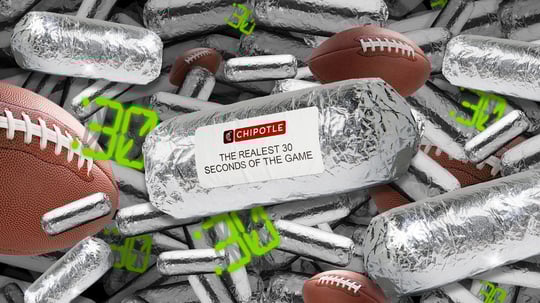
With all of the chatter around AI, marketers knew that this year’s Super Bowl ads were going to be analyzed differently than previous years. Viewers are now more critical and opinionated on content generated with AI. So, Chipotle used this and said: nope. Instead of playing with tech hype, the brand went full anti-AI, offering up $1 million in free, real food to fans across the country.
Dubbed “The Chipotle Realest 30,” the campaign aired not on TV, but via a one-time Instagram Reel triggered during the game’s AI ad break, post-halftime. The spot featured a text-to-claim code, and the first 100,000 fans to respond scored a free entrée. It was a bold move: hijacking a cultural moment when audiences were questioning authenticity, and rewarding them with something tangible. Chipotle didn’t just talk about being real. They proved it in 30 seconds.
To extend the moment, Chipotle rolled out its first-ever digital Nacho Hacks menu: three shareable nacho kits available exclusively on the app and website. Designed for game day hosting, they were inspired by years of fan-made Chipotle nacho creations.
The campaign’s message was loud and clear: while others chase trends with artificial flair, Chipotle stays grounded in ingredients, speed, and cultural sharpness. No AI, no gimmicks. Just food people actually want, activated in real time when attention was highest. A digital stunt that was rooted in flavor, timing, and brand truth.
Conclusion: A New Super Bowl Playbook?
None of these brands spent $8 million on airtime. Instead, they listened, watched, and then found slivers of culture they could own and entered the conversation like naturals.
This new playbook is different than the million dollar plays other brands were making. They chose signals over scale. The brands understood the deeper stories at play (from Bad Bunny’s cultural weight to Taylor Swift’s NFL entanglement) and moved quickly to offer their own creative spin.
If you’re a marketer looking to do the same, here’s your cheat sheet:
- Monitor the moment: Know what’s trending before it peaks.
- Act fast: Culture waits for no one. Build systems that let you ship in days, not weeks.
- Add value: Celebrate, uplift, teach, or entertain.
- Speak the native language: Whether that’s Gen-Z humor, TikTok memes, or Puerto Rican slang, the fluency matters the most when you lean on culture.
The cultural moment around the Super Bowl is no longer confined to the main screen. And the smartest brands aren’t just watching the show. They’re in it.


.png?width=300&height=300&name=July%20lists%20and%20blogs%20(1).png)