
-
Rethinking conferences with creator-led experiences
-
Creator partners beat traditional event sponsorships
-
Scalable playbooks for creator-led events
When Adobe hosted its MAX conference, the company didn't just rely on polished keynotes and product demos. They brought creators. Lots of them.
Chloe Shih, Brooke Monk, OmgAdrian, and a roster of digital talent roamed the venue, creating content, engaging attendees, and transforming what could have been another forgettable B2B event into something people actually discussed online.
Adobe wasn't the only brand with on-site creators in tow. LinkedIn set up a creator lounge at the event, and multiple brands hosted after-hours dinners with influencers.
As Lia Haberman noted in her ICYMI newsletter: “If you're a brand marketer with plans to host or attend an upcoming conference, your plus one better be a creator partner who can bring a creative flair to conversations and capture killer content for you.”
And she's right. If you're still treating creators as an afterthought when it comes to events and conferences, or worse, not inviting them at all, you're missing out on a valuable opportunity.
Creators as plus-ones for your brand at conferences and events can help turn a mere attendance into a content production excursion that’s a buzz-building engine.
Conference booth or creator? The case for creators as event +1s
Let's talk about what brands typically spend to show up at major conferences.
The average total cost of a trade show exhibit slot ranges from $10,000 to $30,000 per booth. And that's just for the floor space and basic setup. For major conferences like Dreamforce, data shows that even the smallest booth starts at $25,000.
But booth space is only the beginning. Add in booth design, graphics, furniture, shipping, labor, show services, staffing, and travel, and the total investment typically lands between $40,000 and $60,000 for a standard presence. That's before you factor in whether anyone actually stops by.
Now compare that to bringing a creator as your +1.
The investment structure is different, sure: an all-expenses-paid trip (travel, lodging, meals), comped tickets to the event or conference, and a fee for per-day content production and event attendance. And the exact numbers will vary based on the creator’s audience size and the scope of the engagement.
But overall, you're looking at a fraction of booth costs for a creator +1 at an event or conference, while getting something a booth can't deliver—trusted third-party validation that reaches audiences before, during, and after the event.
The data doesn’t lie: 94% of companies now believe creator content delivers better ROI than traditional advertising.
How creators add value before, during, and after events and conferences
The brands getting this right understand that creators don't just show up and post. They create value across three distinct phases: before, during, and after the event.
Before the event: Creators get people to show up. When they tell their audience something's worth the trip, registrations happen. It's not a cold email from a brand, but a personal endorsement from someone their community already follows. In fact, 70% of brands attribute their highest-performing campaigns to creator marketing, and that pre-event buzz translates directly into registrations.
During the event: Creators make the content itself better. Whether they're speaking on panels, hosting activations, or simply engaging with attendees, their presence elevates the experience. They know how to read a room, ask sharp questions, and create moments that feel authentic. Plus, real-time content creation means they’re bringing their audience with them for the event experience (with your brand as part of that narrative.)
After the event: Creators sustain momentum. They recap key takeaways, share behind-the-scenes moments, and amplify the brand's message to audiences who were unable to attend. This earned media extends the event's reach far beyond the people in the room.
Heike Young, a former Head of Content at Microsoft and Salesforce, who is now a full-time B2B influencer for LinkedIn and TikTok, sees even more potential here.
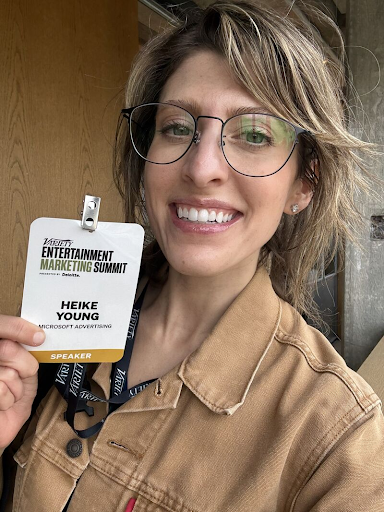
“In 2026, I'd love to work with brands to get even more creative with these types of engagements. Why not hire me to host a funny trivia night or karaoke party at your event?,” she said. “I could even create a custom game show for a brand, or host a slide deck improv game. B2B events have looked the exact same for so long.
Bringing in creators is a chance to try something new. Yet you de-risk it by partnering with somebody who has an engaged audience and tons of knowledge about what messages perform in-market.”
What successful partnerships look like when brands hire creators for conference/event attendance and content creation
The best event or conference partnerships between brands and creators don't treat creator partners like walking billboards; they build them into the event attendance experience.
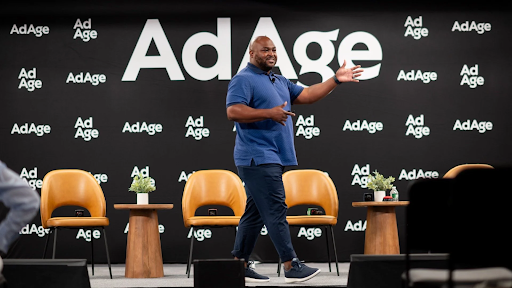
Lindsey Gamble, a B2B creator who has partnered with HubSpot, CreatorDB, and Sprout Social across multiple events, explains: “I prefer partnerships that bring together multiple parts of my work, such as speaking, content creation, and community-building. When a partnership taps into more than one area, it feels more natural and delivers greater value for everyone involved.”
In October 2024, he worked with HubSpot at their INBOUND conference in Boston, which was the first year they introduced a creator activation. He attended as a creator, experienced the programming, and created sponsored LinkedIn content, as well as a newsletter recap highlighting the event and HubSpot's creator program.
In August 2025, he partnered with CreatorDB to cohost a dinner during Creator Economy Live's first year in New York, serving as the face of the event and managing everything from marketing it to driving RSVPs.
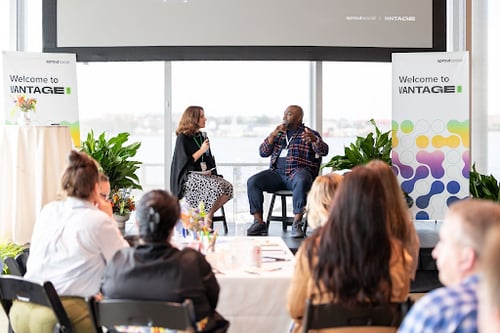
Most recently, in September 2025, he partnered with Sprout Social when their Vantage Tour came to Boston. He spoke during their Enter the Chat session, shared live coverage on Instagram, and later recapped the event with a LinkedIn video that tied into a related report they published.
“Sprout Social is a good example,” he says. “I spoke at their event, created content around it, and also benefited from connecting with other marketers and brands who were attending. The CreatorDB dinner allowed me to host an in-person experience, which is something I've been expanding into as part of my creator business.”
Why creators as conference +1s are a good idea
When you partner with a creator for an event or conference attendance, you get more than a post. You get distribution across their entire ecosystem.
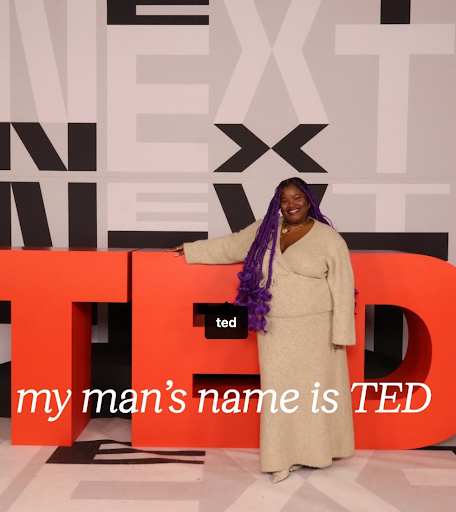
Jayde I. Powell operates as a creator, strategist, and business owner running three brands: The Em Dash Co., Creator Tea Talk, and @jaydeipowell. She has partnered with events and brands such as TEDNext, ADCOLOR, Creator Economy Live, HubSpot, Teachable, IHG, and Sprout Social as a creator partner.
Her approach demonstrates what brands actually achieve when they collaborate with multi-brand creators: Attention, distribution, and relationship-building.
“When a brand brings me to a conference, I want the partnership to uplift more than my personal brand,” she said. “It should elevate the others, too, especially Creator Tea Talk, which is my center of gravity for community conversations in the creator space.”
This means your brand doesn't just appear in one creator's feed; it gets woven into multiple touchpoints: newsletter features, social content, community events, co-branded activations, and intimate dinners that connect you directly with other creators and industry professionals.
The multi-layered approach also means better coverage. At INBOUND, Jayde worked with HubSpot but also partnered with Canva while on-site. At ADCOLOR, she created sponsored content for the conference itself, spoke on a panel alongside LinkedIn, and participated in a fireside chat with Meta.
How to structure creator partnerships that work
For creators, the ideal structure depends on what the brand needs. But the best partnerships share a few key traits.
Bring creators in early. Heike Young is clear about this: "This arrangement is ideal when the brand and I both care about the same audience and the same message. I love to see this structured where we have a prep call early in the planning process. This way, I can influence the overall event content in a way that feels natural for me to be there. I want to be integrated, not tacked on at the end as a Hail Mary to drive registrations.”
Get creators doing more than one thing. Creators who speak, create content, and engage attendees deliver more value than those who only do one thing. Have them co-host a breakfast with key customers, live-tweet sessions, record a podcast episode from your booth in the expo hall, or host a fireside chat with your exec team.
Content should feel native. Heike Young collaborated with Tofu on an event partnership, having already been posting sponsored content for them on LinkedIn since early 2025. By the time she spoke at their event, her audience was already familiar with the brand. "I think working together on a joint event is a great next chapter of a successful brand partnership. If a creator's content is already landing with a target audience, it makes sense to take that show on the road.”
Creators need clear success metrics. Success depends on engagement. Lindsey Gamble explains, "If I am speaking, success means delivering value by helping attendees learn something new or think differently about a topic. I look for signals through feedback from attendees, brands, and other speakers, whether in person or online after the event." For event hosting, the metrics are straightforward: RSVPs, attendance, and sentiment from attendees.
For Jayde I. Powell, success is measured through both brand impact and community value. “On the brand side, I track the metrics they care about, such as link clicks, registrations, and ticket sales. This year, my brand partner TED saw four ticket purchases for TEDNext directly from the link I shared, which is incredible considering how niche and premium that event is.”
But she also looks at community impact: “Did the experience strengthen my audience's trust? Did it open the door for creators to access spaces they're often left out of? That part matters just as much as the metrics.”
For brands, this is what the investment usually entails a few key components:
- T&E expenses (i.e., travel, lodging, and meals)
- Comped event/conference tickets (including tickets for the creator’s AV team, if needed)
- Flat fee for content production with a detailed scope of work
Translation: You pay for access to a creator’s full ecosystem, community, and multiple distribution channels that extend your event's reach far beyond a single Instagram story.
Why creator-event partnerships matter more than ever
After years of Zoom, being in the same room matters again. As AI changes how people interact online, face-to-face connections are becoming increasingly critical for brands and creators who want to stand out.
Lindsey Gamble puts it plainly: “I think it's a no-brainer for companies to partner with B2B creators on events, and I expect we'll see more of it. Just as brands tap into B2B creators to cut through the noise online, it makes sense to bring those trusted voices into real-world experiences. Not every creator can host on their own, but when it works, it becomes a natural extension of the partnership, moving influencer marketing from URL to IRL.”
.png)

.png)