
Key takeaways
- Bodybuilding and strength creators offer different formats, from technical explanations to challenges, personal reflection, and competition preparation.
- Jeff Nippard emphasizes research and explanation, while Larry Wheels uses unusual strength challenges as a source of entertainment.
- Chris Bumstead and Ryan Terry connect competitive experience with business interests that should inform category discussions.
- A useful fitness brief defines whether the creator should teach, entertain, or explain an athlete’s preparation process.
Bodybuilding content can be entertaining, aspirational, and surprisingly personal. A competition update and a plain-language explanation of an exercise may attract viewers for very different reasons, even when both come from the same creator. It's important to understand this distinction when looking to work with creators in this field.
These ten selections cover competitive bodybuilding, physique sport, and the adjacent strength community. Each offers a different way into fitness culture, from research-informed education to gym humor and long-form training.
Chris Bumstead
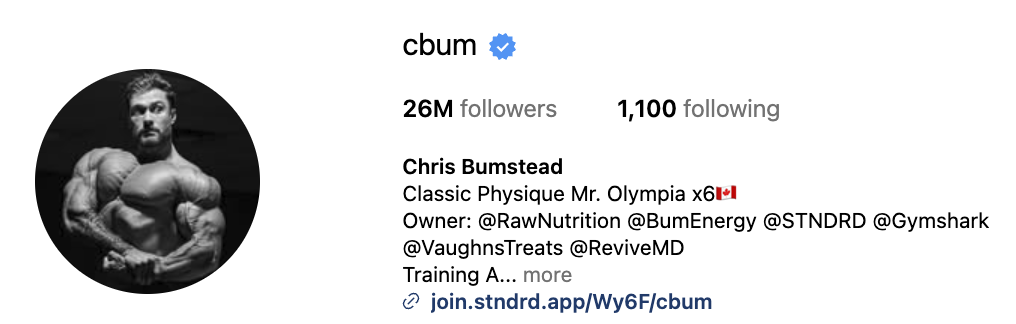
Chris Bumstead connects a decorated Classic Physique career with a substantial fitness business presence. His public profile ties training to the routines and decisions behind an athlete's wider life.
Bumstead's posts move between intense training and reflection. A home-gym deadlift video emphasizes repetition and effort, while another looks back on different chapters of his life, adding a personal perspective to the physique and business identity viewers already recognize.
That gives brands room to tell a story beyond competition day. Apparel, equipment, and training technology could appear in a day-in-the-life concept, provided the category fits his existing businesses and the integration adds something useful to the narrative.
Jeff Nippard
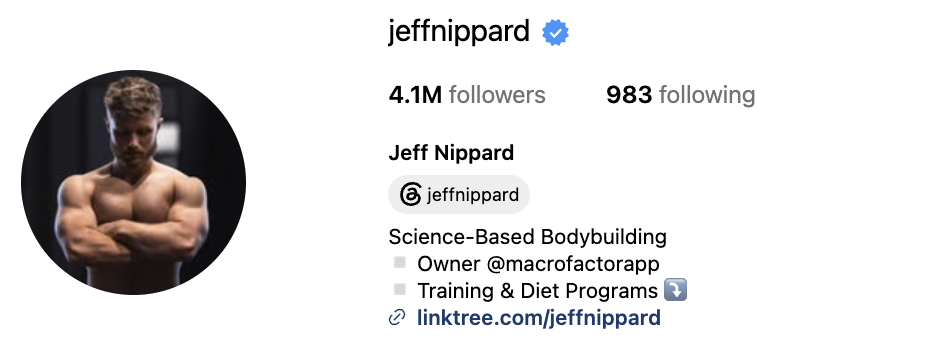
Jeff Nippard approaches bodybuilding through explanation. His science-focused positioning makes the reasoning behind a training choice part of the attraction, not an interruption to it.
His posts also show the production behind an explainer, including research materials and work with a video director. That process is part of his identity: the finished training discussion is supported by an interest in how information is investigated and communicated.
For a brand, an equipment comparison or clearly framed product demonstration could work better than a broad endorsement. The brief should leave room for nuance and honest evaluation, giving viewers an understandable answer to a real training question.
Noel Deyzel
Noel Deyzel pairs bodybuilding with approachable gym culture. Content about etiquette, including cleaning equipment after use, shows how ordinary behavior can become part of a fitness creator's identity.
His content also moves into the kitchen, with a demonstrated cheesecake recipe presented alongside gym advice. The combination makes his fitness identity broader than lifting alone, connecting training culture with the everyday choices and conversations that surround it.
Brands could build on that accessible tone with a first-gym-session guide or a practical essentials feature. The value lies in making a setting feel understandable, while allowing Deyzel's personality to carry the message.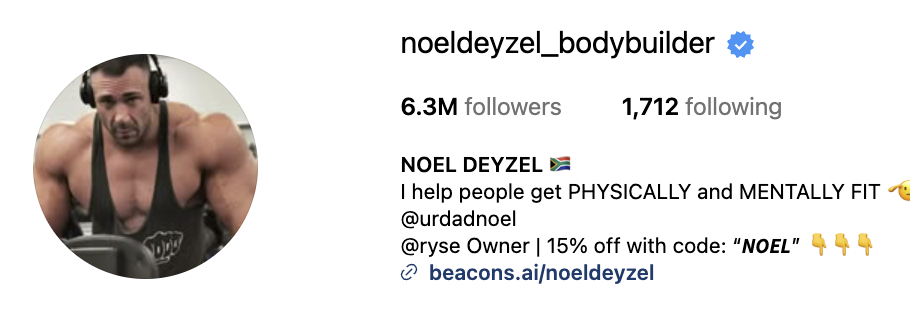
Ryan Terry
Ryan Terry brings men's physique competition and entrepreneurship into the same story. His official platform gives brands a clear athlete-led point of entry, with preparation and presentation both relevant to his discipline.
Terry's official biography describes an early career as a plumber in Worksop before his move into physique competition. His coaching, fitness, and food businesses extend that story, giving him an entrepreneurial dimension alongside his professional sporting background.
A collaboration might follow training-day organization or the practical demands of competition travel. The creative should reflect men's physique specifically, giving viewers context for his choices rather than borrowing generic language about bodybuilding success.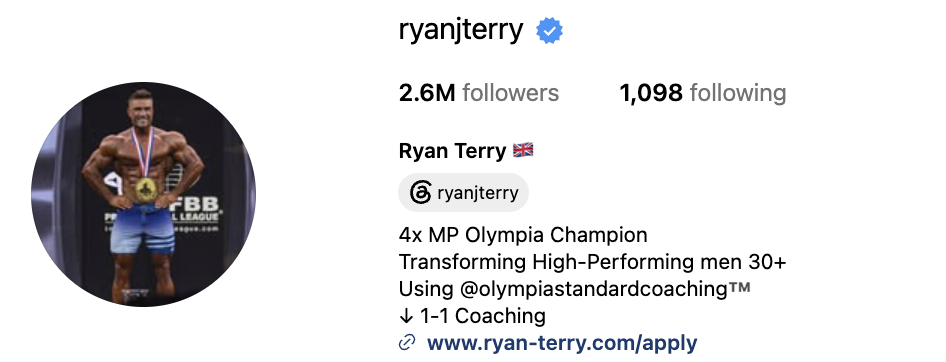
Simeon Panda
Simeon Panda's fitness identity sits alongside lifestyle interests, creating room for campaigns that move between the gym and the rest of the day. His training-oriented presence can support apparel or equipment storytelling, while a broader lifestyle brief may introduce other categories naturally.
Panda's profile identifies Los Angeles as his base and lists a personal interest in cars alongside fitness. That mix gives his public identity a wider lifestyle context, while training remains the link between his appearance, content, and commercial activity.
A strong concept would follow one coherent routine, showing how a product fits that sequence instead of placing unrelated items beside a recognizable physique.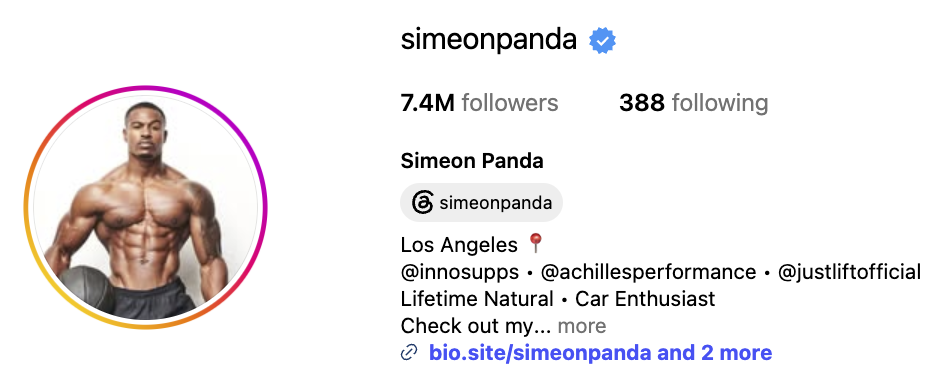
Mike O'Hearn
Mike O'Hearn brings a long-standing strength and entertainment identity to social content. His profile connects competitive credentials with his American Gladiators history, while personal posts add another dimension to the training persona.
Personal reflection is part of his feed as well. Posts about fatherhood and the importance of supportive adults show a more conversational side of a creator whose public image is strongly associated with physical strength and entertainment.
Brands could explore a conversation about consistency or a workout built around familiar movements. Letting his experience shape the narrative creates a more distinctive collaboration than simply recreating a standard gym advertisement.
Larry Wheels
Larry Wheels sits at the intersection of lifting spectacle and strength culture. Training challenges give viewers an immediate question to follow: what will happen when the lift begins?
His posts include a group attempting to bend a barbell and a playful lift using people as the load. These are spectacle-led moments, with unusual setups and visible reactions making the content distinct from a conventional instructional workout.
Equipment and apparel brands could build around that tension while keeping the demonstration clear and grounded. The most convincing integration would show an item's actual role in the session, without suggesting that a product alone explains an exceptional performance.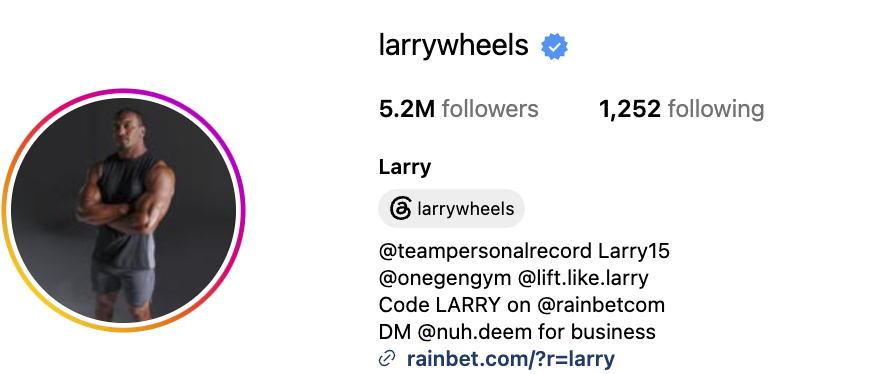
Regan Grimes
Regan Grimes offers the perspective of an active professional bodybuilder discussing preparation and competition. His appearance in IFBB AMA content illustrates the appeal of hearing an athlete explain the work behind an event.
In an IFBB AMA appearance, Grimes discusses preparation for the Flex Italy Pro. The interview format gives his competition story an explanatory layer, allowing viewers to hear about the work surrounding an event rather than seeing only a stage photograph.
Brands could use a preparation diary or focused training conversation to introduce relevant equipment and apparel. Giving the athlete space to discuss decisions can make the content more useful than a highlight reel alone.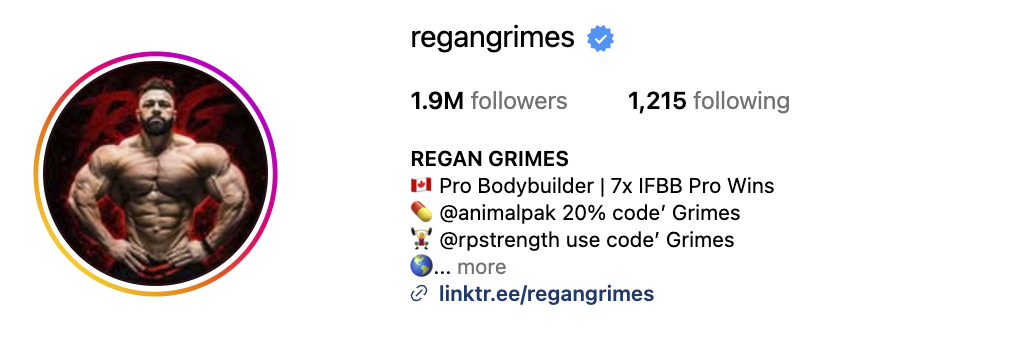
Martin Fitzwater
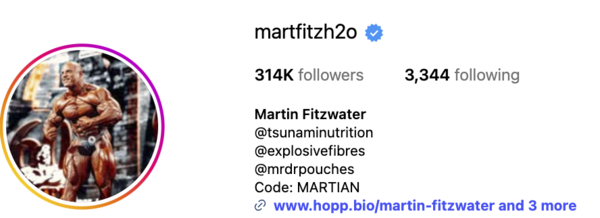
Martin Fitzwater gives viewers access to the details that matter inside bodybuilding, including discussion of competitive divisions and physique requirements. That specificity is valuable for brands trying to speak to knowledgeable fans.
A post about Classic Physique weight limits shows Fitzwater discussing the differences between divisions from an athlete's perspective. Training images, including a leg session, sit alongside that commentary and connect the conversation back to the work in the gym.
A collaboration could unpack the purpose of a movement or the organization of a training session. The creative should respect the audience's familiarity with the sport and make the product's relevance explicit.
Samson Dauda
Samson Dauda brings men's open bodybuilding into focus, with a professional career that gives training content a clear competitive context. For brands, the opportunity is to show the preparation behind the stage presentation.
Dauda competes in men's open bodybuilding, a distinction that separates his sporting context from Classic Physique and men's physique. His public profile is best understood through that competitive background, with muscular development and stage preparation central to the story.
Equipment, apparel, or travel essentials could become part of an athlete-led routine. A useful brief would prioritize his own process and explanations, connecting a visible performance to the less visible work that supports it.
Comparing bodybuilding content formats
|
Creator |
Content approach |
Possible brief |
|---|---|---|
|
Jeff Nippard |
Research-led explanation |
A defined training or equipment question |
|
Larry Wheels |
Strength spectacle |
A challenge with an understandable premise |
|
Noel Deyzel |
Gym culture and practical routines |
An accessible introduction to an everyday task |
|
Regan Grimes |
Competition preparation |
An athlete’s explanation of the process |
Frequently asked questions
How do educational bodybuilding creators differ from entertainment-led strength creators?
Jeff Nippard's positioning centers explanation and research. Larry Wheels often builds content around unusual strength challenges. The campaign objective should determine which type of viewing experience is more relevant.
Which creators offer a perspective on competition preparation?
Regan Grimes discusses preparation in an IFBB AMA appearance, and Martin Fitzwater addresses division requirements alongside training posts. Their content provides different entry points into the decisions surrounding competition.
What kinds of products fit bodybuilding content?
The article identifies apparel, equipment, training technology, and travel essentials as possible categories. A product should have a practical role in the chosen routine or explanation.
Why should brands review a bodybuilder’s existing businesses?
Creators such as Chris Bumstead and Ryan Terry have businesses alongside their content. Those interests may affect category compatibility, so a strong creative idea still requires a suitable commercial arrangement.
Choosing the right creator for your brand
A familiar face can open the door, but a specific creative idea gives a partnership purpose. Decide whether the campaign needs explanation, entertainment, or an athlete's perspective, then evaluate creators accordingly. Viral Nation can help connect those objectives with the right talent and develop content that fits how fitness audiences already watch, learn, and participate.
For help developing a creator shortlist into a campaign, explore Viral Nation's influencer marketing services.
For a closer look at the information behind creator evaluation, explore Viral Nation's SocialAI.


.png)