

-
ESPN Katie Feeney hire
-
brands hiring creators
-
creator-led content formats
-
influencer economy growth
-
social-first content strategy
ESPN Katie Feeney hire
brands hiring creators
creator-led content formats
influencer economy growth
social-first content strategy
.png)
ESPN recently hired Katie Feeney, a sports and lifestyle creator with more than 14 million followers on social media.
Instead of partnering with her in a series of campaigns,Feeney has joined ESPN as a fully integrated member of ESPN’s in-house team.
Her new role as a Sports & Lifestyle Content Creator includes contributing to Sunday NFL Countdown, Monday Night Countdown, and College GameDay. She’s also leading the refreshed SportsCenter on Snapchat, a channel that has become a magnet for younger sports fans.
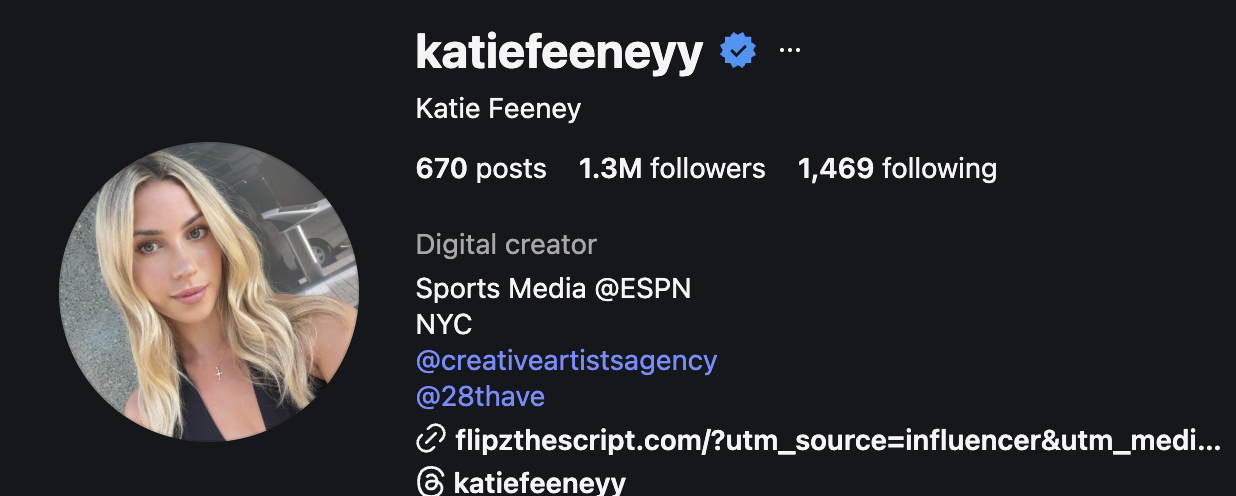
This hiring decision reflects ESPN’s effort to reach younger audiences, expand across new channels, and inject fresh energy into legacy programming. But, more broadly, it’s a sign that media is changing and the influencer economy is growing.
A study in the International Journal of Sport Communication notes that social media has pushed reporters to act more like creators, curators, and on-camera personalities. Traditional journalists may have once controlled the narrative, but now they're competing with influencers who often tell the same stories from a fan’s perspective, in faster, more relatable ways.
Today’s fans also don’t wait for content to come to them. They go where the story feels most alive. And, for many, that’s on social media, directly in the feed of their favorite creator. Katie Feeney’s 14 million followers are proof of where sports fans are giving their attention. As ESPN’s SVP of Digital, Social, and Streaming Content put it, “Katie has built an impressive and authentic connection with sports fans.”
For brands (in any industry), the smart move isn’t to compete for attention but to collaborate with popular creators by bringing them inside the organization. Let’s talk about how.
With the attention creators command and the influence they hold, it no longer makes sense for brands to borrow it occasionally. The smarter play is to bring them in-house (like ESPN did) and give them a permanent role within the content ecosystem. Doing so gives brands direct access to built-in audiences, faster creative output, and an authentic voice that traditional marketing teams often struggle to replicate.
Here are a few ways this kind of collaboration can take shape:
If you’re hiring a creator for their creativity and authenticity, it doesn’t make sense to hand them a rigid brief that dictates every move.
Instead, share brand guidelines, key themes, and objectives. Then, let them run with it. The goal is to give creators enough context to stay on-brand while leaving space for the spontaneity that makes their content work in the first place.
Here are some examples of creator-led formats:
Creators understand platforms and audience behavior, especially when it’s their own audience. Successful creators often know when to post, how to frame a hook, and what signals trigger engagement.
Remember when Duolingo’s social team gave its creator-led account free rein to experiment with trends and humor, the brand gained millions of followers and became part of internet culture? The success came from creator instincts and not corporate directives.
Here’s how to make this work:
We’ve talked a lot about how ESPN hired Katie Feeney for her audience. But let’s go deeper. She’s also an incredible storyteller. That’s one reason people follow her in the first place. Now she’s breathing new life into ESPN’s existing channels (not with her follower count, but with her voice).
When you’re looking for a creator, don’t focus on follower count alone. Look at how they tell stories and how they make people care. Then hire them to bring that same energy and personality to the channels that need it most.
How to do it:
The sky’s the limit when you combine a brand’s resources with a creator’s imagination. Once they’re on board, don’t stop at one successful campaign or format. Give them space to pitch new ideas, test new platforms, and expand their storytelling under your brand’s halo. You might be surprised by what they can build when they have full support, rather than starting from scratch.
Here are some ideas:
Imagine what happens when you stop fighting for attention and start partnering with the people who already have it. The future isn’t brands competing with creators. It’s brands hiring them.

.png?width=300&height=300&name=July%20lists%20and%20blogs%20(1).png)

.png?width=300&height=300&name=May%20lists%20and%20blogs%20(19).png)