

Welcome to the fourth edition of Decoded!
GAP was dying. Let's be honest about it.
The brand that dressed America in the '90s had become that store you walk past at the mall without a second thought. Discounts on discounts. Zero cultural cache. Millennial nostalgia couldn't save it, and Gen Z didn't care.
Then something wild happened. GAP started breaking the internet. TikTok dances racking up billions of views. Designer collabs selling out. Actual, real, comp sales growth for eight straight quarters.
So what the hell changed? And what does it mean for the rest of us trying to make brands matter again?
This month, we’re unpacking the strategy, virality, and sales rebound behind one of the most surprising brand turnarounds in recent retail memory: GAP.
Let’s decode it.
TL;DR: GAP by the Numbers
- 👖 GAP climbed to #6 denim retailer in the U.S. in 2025 with double-digit growth in adult denim. The catalyst? "Better in Denim," their most viral campaign ever.
- 💃🏽 That one campaign pulled 8 billion media impressions and 500M+ video views. Not reach. Not potential impressions. Actual views.
- 🎵 Music-led spots with Katseye, Troye Sivan, and Sienna Spiro racked up millions of views. The 2025 holiday ad hit 30M+ in a month and scored 145K Instagram likes.
- 📈 8 straight quarters of positive comps, including +7% in Q3 2025. Viral content actually translated to people buying jeans.
- ⭐Collabs with Dôen and Sandy Liang spiked influencer mentions by 41% and brought back high-income shoppers without alienating Gen Z.
Rise and Fall of an American Icon
In 1969, GAP opened its first store selling Levi's and records. By the '90s? Cultural phenomenon. That three-letter arch logo was everywhere. Sarah Jessica Parker in GAP ads. Your mom in GAP khakis. Your cool older cousin in a GAP hoodie.
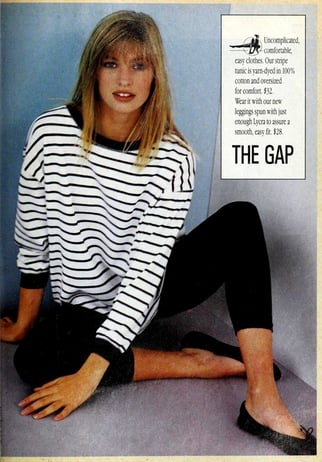 Within five years of launching, they hit $15 million in sales and 25 stores. By the late '90s, GAP wasn't just selling clothes. It was selling the fashion zeitgeist itself.
Then the 2000s hit, and GAP faceplanted. Hard. The decline wasn't subtle. Here's what killed it:
Fast fashion ate their lunch. Zara and H&M could design, produce, and stock trendy pieces faster than GAP could say "business casual." GAP's basics went from timeless to boring overnight.
They became the discount brand. Constant promotions gutted any cool factor they had left. As one agency partner put it: "The brand became a promotional brand and started to lose the elements which made people love them." Bargain bins don't inspire desire.
Malls died, and GAP didn't adapt. Their entire strategy depended on foot traffic that vanished. They were slow to figure out digital, slower to rethink the in-store experience. Consumers moved on.
Oh, and then there was the logo disaster of 2010.
GAP decided to swap its iconic blue box logo for some bland, minimalist thing nobody asked for. The internet revolted immediately. Six days later, GAP tucked tail and brought back the original logo. Cost of the failed rebrand? $100 million. Cost to their reputation? Priceless.
It was the perfect symbol of how far GAP had drifted from its own customers.
The 2010s were a graveyard of failed turnaround attempts. By the early 2020s, one analyst said GAP Inc. was "careening toward retail irrelevance." Brutal, but accurate.
Leadership changes happened like clockwork. The Yeezy GAP partnership in 2021 generated hype for about five minutes before imploding in controversy. The brand that once defined American style couldn't even figure out what it stood for anymore.
2023: New Leadership and a Brand Reboot
Enter Richard Dickson in 2023. You know him as the guy who turned Barbie from a declining toy into a billion-dollar cultural juggernaut. His mandate at GAP? Make it matter again. Make it cool. Make it sell.
Simple brief. Massive challenge.
Dickson didn't waste time. He brought in celebrity designer Zac Posen as Creative Director in early 2024, a move that screamed high-fashion ambition. By April 2025, Posen dropped an "elevated" 50-piece collection and dressed someone in a custom all-denim Met Gala gown. The message? GAP wasn't playing around anymore.
With the massive change in leadership came a change in marketing and storytelling strategy. GAP’s new playbook emphasized “cultural relevance” and authenticity at every level – from product design to its campaigns. The team doubled down on themes of sustainability, inclusivity, and individuality, recognizing these values as top-of-mind for today’s consumers. GAP expanded its use of sustainable materials and prominently features diverse models and artists in its ads.
As Dickson puts it, “fashion is entertainment…it’s art, innovation, and culture,” and GAP’s brand needed to be part of that cultural conversation again.
Modern Marketing: Nostalgia Meets Social Media
Here's where it gets interesting. GAP stopped trying to be everything to everyone and started doing one thing really, really well: making content that actual humans want to watch.
The strategy? Nostalgia meets your For You Page. Heritage meets TikTok virality. Your mom's favorite brand filtered through Gen Z's preferred platforms.
Heritage look, modern vibe.
They gave the website and socials a total facelift. Out: the boring, cluttered 2010s aesthetic that screamed "please like us." In: bold photography, clean layouts, and the classic GAP navy-blue color scheme that reminded people why they fell in love in the first place.
GAP leaned into its legacy – iconic logo hoodies, denim and khakis – but presented them with a twist of nostalgic fun. For example, the brand launched retro-themed capsule collections (like a GAP x Barbie apparel line coinciding with 2023’s Barbie movie craze) to spark cross-generational interest.
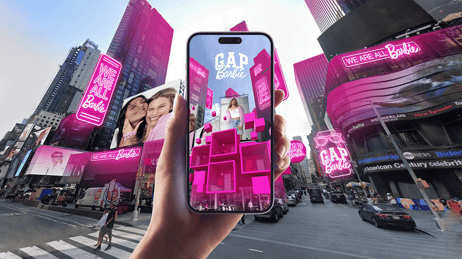
These moves reminded older fans why they loved Gap, while introducing a new generation to GAP's “classic, but reinvented” aesthetic.
Social media resurgence.
Dickson put social at the center of everything. Not as an afterthought. Not as a channel to repurpose TV spots. As the platform.
"We're driving digital dialogue with social media as the No. 1 platform for our consumers," he said. Translation: if it doesn't work on TikTok and Instagram, it doesn't work. Period.
This required churning out higher volumes of creative content and engaging with influencer culture more than ever before. To facilitate this, GAP Inc. even launched a new creator affiliate program for GAP, Old Navy, Banana Republic and Athleta, linking social influencer content directly to e-commerce sales.
The Star of The Show: Music-driven, Dance-centric campaigns
You've definitely seen these campaigns. Maybe you even learned the dances.
GAP cracked the code: pair buzzy artists with nostalgic bangers, add choreography that begs to be recreated, then watch it explode across TikTok and Instagram. Rinse, repeat, rack up billions of views.
Here's how they did it:
“Get Loose” Fall 2024
A denim-focused campaign starring Troye Sivan with elaborate choreography set to Thundercat’s funky track “Funny Thing.” This campaign embraced the baggy, oversized denim trend (nicknamed “get loose” fits) popular with Gen Z.
The numbers told the story. 50% view-through rate within a week (industry average is 28%). 9% engagement rate when most brands pray for 2%. Dickson called it one of GAP's best campaigns in years. He wasn't exaggerating.
“Better in Denim” Fall 2025
Then came "Better in Denim," and GAP absolutely broke the internet.
KATSEYE dancing to Kelis's "Milkshake." Low-rise jeans. Y2K nostalgia hitting like a freight train. The kind of video you can't scroll past even if you tried.
The first few weeks? 8 billion impressions. Over 500 million video views. GAP built a pop-up soundstage in San Francisco just so fans could recreate the dance. The virality was one thing. But here's what mattered: it actually sold jeans.
Double-digit sales growth in adult denim. GAP jumped from #8 to #6 denim retailer in the U.S. Executives called it one of their most successful campaigns ever. Proof that virality and revenue aren't mutually exclusive.
“Give Your Gift” Winter 2025
Fresh off the KATSEYE campaign, GAP’s holiday campaign centered on a multigenerational choir led by 20-year-old TikTok-born singer Sienna Spiro, delivering a soulful cover of Miley Cyrus’ 2009 ballad “The Climb”. The campaign rollout included the full 90-second film on platforms like YouTube and Instagram, shorter cutdowns for ads, and in-store visuals echoing the choir motif.
Why Spiro? Her TikTok-native energy mixed with old-soul vocals embodied everything GAP was going for: heritage meets feed culture. A Gen Z voice breathing new life into a 2009 anthem. It hit the sweet spot between your mom's nostalgia and your little sister's For You Page.
The numbers? 30+ million views in month one. 145K+ Instagram likes. Executives called it one of their most emotionally resonant campaigns ever. Translation: people actually felt something.
These campaigns exemplify GAP's “heritage-meets-TikTok” strategy. Each one pulls a familiar thread from the past (an old hit song, a classic GAP clothing style) and weaves it into a contemporary, influencer-friendly format. The result? Content that feels both nostalgically comforting to older audiences and fresh to younger viewers scrolling their feeds.
Influencers and Collaborators
Crucially, GAP’s use of influencers and collaborators extends beyond just the ads themselves. The company has actively partnered with both social media creators and fashion innovators to boost its credibility.
The Spring 2024 Dôen collab shows how smart these partnerships were. May 2024 saw a 41% spike in influencer mentions, the highest all year. People with taste were suddenly talking about GAP again.
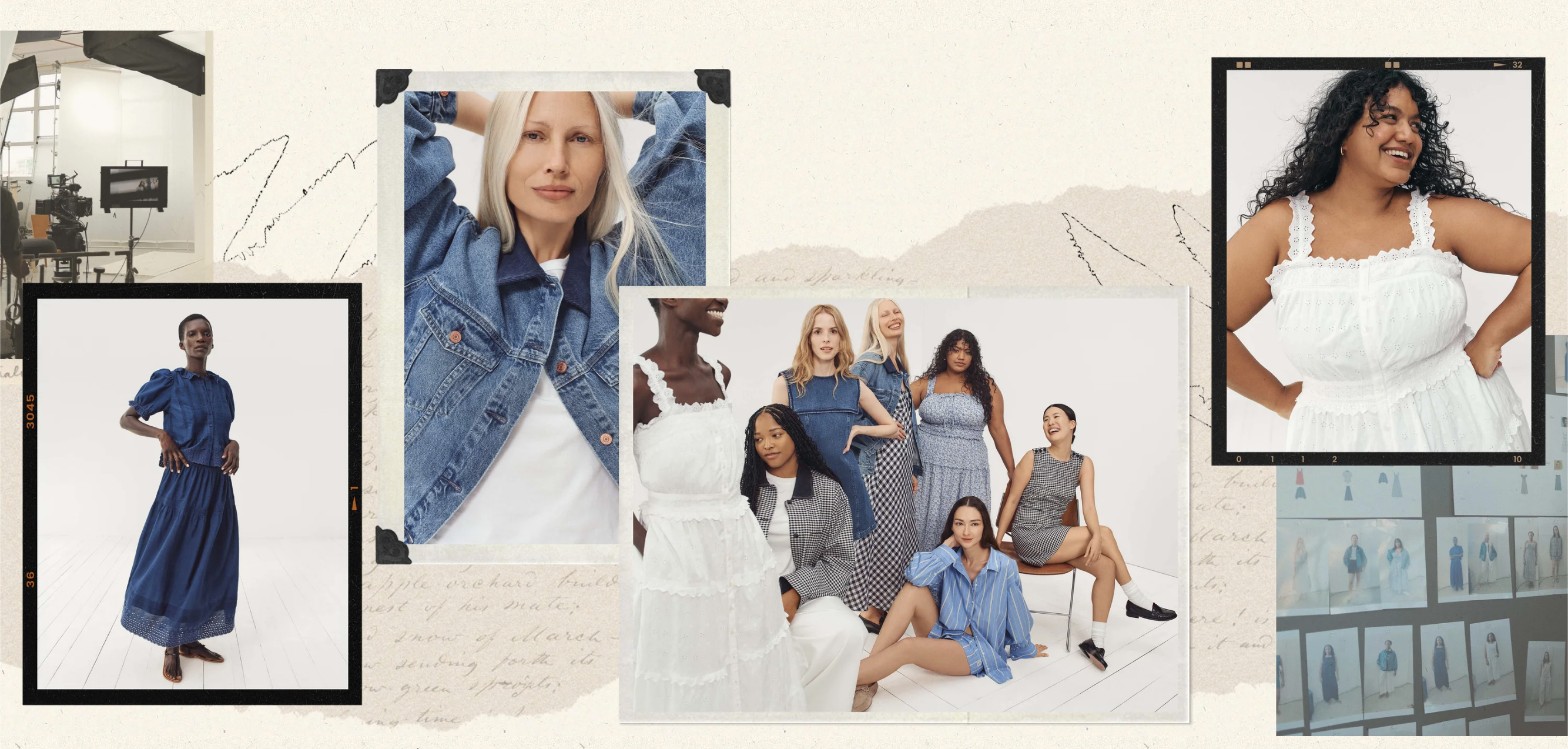
Between summer 2024 and summer 2025, influencer mentions jumped 73%. That's not paid placements. That's organic buzz and cultural momentum.
It’s worth noting that GAP’s savvy execution stands in contrast to some competitors’ missteps. American Eagle, for example, ran a similar denim dance campaign in 2025 featuring actress Sydney Sweeney, but its tagline about “good genes = good jeans” sparked backlash for perceived insensitivity. In comparison, GAP’s campaigns have generally been received positively for celebrating diversity and self-expression. Authenticity and cultural awareness have been key to GAP’s revival and the brand has actively avoided the pitfalls that tripped up its rivals.
Early Signs of a successful Turnaround
Cute campaigns are one thing. Sales are another. And GAP is winning on both fronts:
- Returning to Growth: In spring 2024, GAP Inc. reported that all four of its brands saw positive comparable sales growth in a quarter for the first time in seven years. For the namesake GAP brand specifically, sales momentum has been impressive – by late 2025, GAP brand’s comps were up +7% year-over-year in the third quarter, marking its eighth consecutive quarter of growth.
- Investor Confidence: Wall Street has taken notice of GAP’s progress. When the company announced its first across-the-board sales gains in years, GAP’s stock jumped 20% in a day on the news. In 2025, GAP Inc. raised its full-year sales outlook upward, citing momentum from the GAP brand’s successful initiatives.
 Brand Heat & Market Share: Thanks to its viral campaigns, GAP reports gaining market share in key categories. The brand’s resurgence in denim (via the “Better in Denim” push) propelled it up two spots in the U.S. adult jeans market – now ranked #6 denim retailer nationally. Moreover, GAP has been attracting new, younger consumers without alienating older loyalists. Its focus on cultural relevance has made it “cool” again for Gen Z, while collaborations with designers (i.e. Sandy Liang) have also lured back high-income shoppers who had drifted away.
Another telling metric is brand visibility. GAP’s share of voice online has grown markedly – the company saw a 171% surge in brand mentions during the peak of the Katseye campaign. And in 2025, GAP Inc. stated it had gained market share for 8 consecutive quarters, reflecting real competitive gains, not just industry tide lifting all boats.
Decoding GAP's comeback: Why It's Working
GAP’s revival offers a case study in how a legacy brand can reinvent itself through bold leadership and savvy marketing, without losing its core identity.
- Visionary Leadership with a Cultural Focus: Dickson’s strategy to make GAP part of “the cultural conversation” again shaped every initiative. By hiring creative talents like Zac Posen and empowering them to take risks, Dickson signaled that creativity and brand storytelling (not just cost-cutting) would drive the turnaround. His moves to simplify operations freed GAP to be more agile and cohesive in presenting itself to consumers.
- Reconnecting with Heritage: Instead of trying to be something it’s not, GAP rediscovered what made it iconic – denim, American optimism, and accessible style – and doubled down on those attributes. The heritage-led strategy tapped into powerful nostalgia – so, GAP reintroduced its legacy in a way that adds contemporary relevance (e.g. vintage logo hoodies styled in a TikTok dance video). This balance of nostalgia and novelty has brought lapsed fans back while piquing new interest.
- Authenticity in Values: GAP’s new marketing strategy emphasizes inclusivity (diverse cast, individual expression), sustainability, and individuality – themes that resonate with younger audiences. This authenticity makes its messaging feel earnest rather than like a cynical rebrand.
- Social-First Storytelling: GAP figured out something crucial: you can't buy your way into the algorithm. You have to earn it. So they stopped making ads and started making content people actually wanted to watch, share, and recreate. Every dance video, every hashtag was designed for virality. The organic reach blew traditional advertising out of the water and proved people were genuinely excited about GAP again.
Here's what GAP's comeback really tells us:
Legacy isn't dead weight. It's rocket fuel if you use it right. GAP didn't abandon what made it iconic. They just stopped being boring about it.
Social virality can drive real business results, but only if you're actually making content worth sharing. No amount of media spend can fake genuine cultural resonance.
And maybe most importantly: you can come back from irrelevance. But it takes bold leadership, creative risk-taking, and the willingness to completely rethink how you show up.
GAP's CEO said the plan is working and the brands are regaining their iconic status. The numbers back him up. But one great year isn't a permanent turnaround. The real test? Whether they can keep this energy going.
For now, though, GAP is back. And they got there one viral dance at a time.

.png?width=300&height=300&name=July%20lists%20and%20blogs%20(1).png)

.png?width=300&height=300&name=May%20lists%20and%20blogs%20(19).png)