
Key takeaways
- Review both creator history and campaign creative; this article includes partnership, product, and advertising failures.
- Consider cultural context and representation before approving a campaign, as the Pepsi and Tarte examples illustrate.
- Check product value and promotional wording alongside creator fit, as the Boots and Balocco examples show.
- Review final captions with creators so internal briefing instructions do not appear in a published endorsement.
Creator partnerships need clear briefs, credible claims, and review processes that account for the intended audience. The nine examples below show where those checks can break down.
Some involve creator endorsements; others concern brand advertising, product design, or third-party ads. Each offers a different lesson for campaign planning.
The practical lessons below focus on what teams can check before launch, while keeping reported events separate from recommendations.
Pepsi: Protest imagery and campaign context
In April 2017, Pepsi released an advertisement in which Kendall Jenner joins a protest and hands a police officer a Pepsi. Critics said it trivialized protest movements. On April 5, Pepsi apologized, removed the content, and halted its rollout.
Planning lesson: Review the social meaning of campaign imagery with people who understand the context before approving the creative.
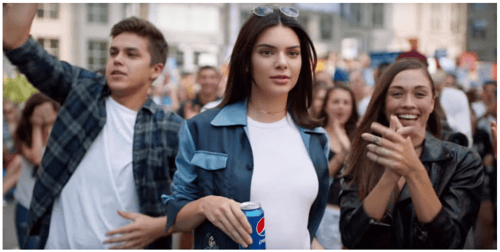
Credit : PepsiCo
Morphe: A terminated partnership and a separate bankruptcy
Morphe collaborated with James Charles on a cosmetics line. In April 2021, Morphe announced that both parties had agreed to end their business relationship following allegations against Charles.
Separately, Morphe’s parent, FORMA Brands, announced Chapter 11 proceedings in January 2023 to facilitate a proposed sale. That filing does not establish that the Charles partnership caused the bankruptcy.
Planning lesson: Agree how a partnership will be reviewed and managed if concerns arise, including how products and scheduled content will be handled.
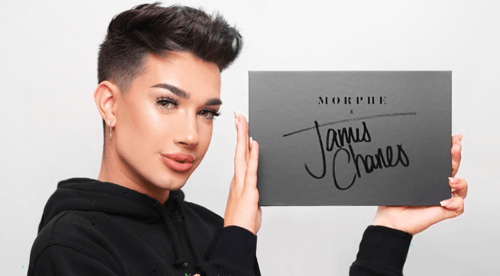
Credit : James Charles via YouTube
Tarte: Scrutiny of influencer trips
Tarte’s January 2023 influencer trip to Dubai drew mixed reactions. Vogue Business reported criticism of the trip’s luxury during a cost-of-living crisis, alongside enthusiasm from other viewers.
Separate Tarte trips later in 2023 prompted allegations about unequal treatment of creators. TIME reported both the allegations and Tarte’s responses; Bria Jones later described miscommunication on both sides. These distinct incidents should not be collapsed into a claim that all invited creators lacked diversity.
Planning lesson: Review representation, communicate participation arrangements clearly, and consider how the experience will appear to audiences beyond the invited group.

Credit : Vogue Business
Boots UK: Pricing and the Zoella Advent Calendar
In November 2017, shoppers criticized the £50 price of the 12-day Zoella Advent Calendar sold by Boots. Boots announced a reduction to £25. The documented response was a price cut; this example does not establish that Boots issued refunds because of Zoe Sugg’s past comments.
Planning lesson: Review whether the product contents and promotional wording support the price and the expectations set by the creator partnership.
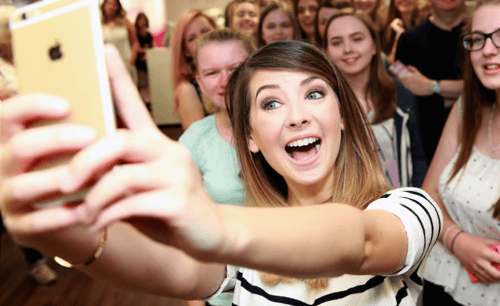
Credit : PA Images
Dolce & Gabbana: Cultural context in China
In November 2018, Dolce & Gabbana’s promotional videos showing a Chinese woman attempting to eat Italian food with chopsticks drew criticism in China. The Shanghai show was called off, and the founders issued an apology. Contemporaneous reporting documents that response, rather than proving an ongoing loss of market share.
Planning lesson: Involve reviewers familiar with the market and language before distributing localized creative.
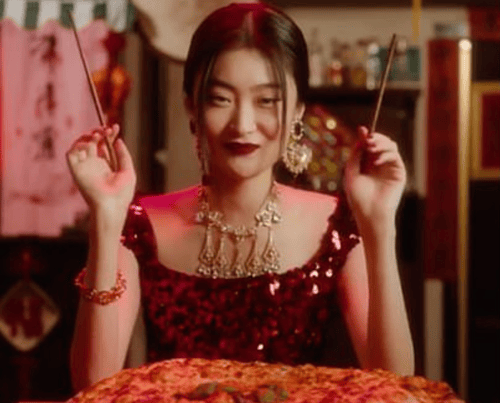
Bootea: Production instructions in a sponsored caption
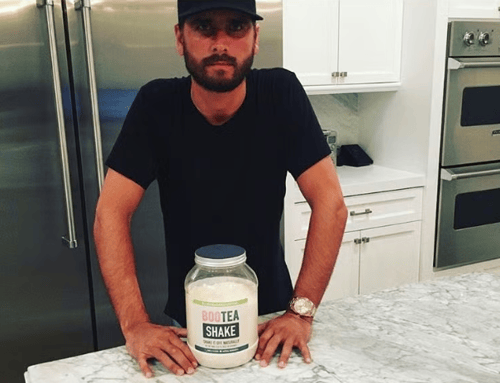
In May 2016, Scott Disick posted a Bootea promotion with production instructions included in the Instagram caption. The Drum documented the post and its subsequent edit.
Planning lesson: Separate instructions from publishable copy and review the final caption with the creator. The available reporting does not quantify the incident’s financial impact.
Credit : Scott Disick Instagram
Gucci: Cultural review of product design
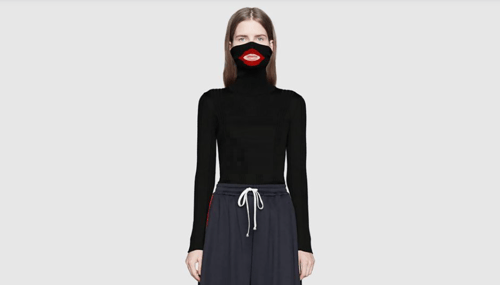
In February 2019, Gucci withdrew a black balaclava sweater after criticism that its design resembled blackface. Gucci apologized and confirmed its removal from online and physical stores. This was a product-design controversy, not an influencer endorsement failure.
Planning lesson: Include cultural review in product and creative approvals. Vetting an external creator does not address problems originating in the brand’s own designs.
Credit : Gucci/Spring
Snapchat: A third-party advertisement removed
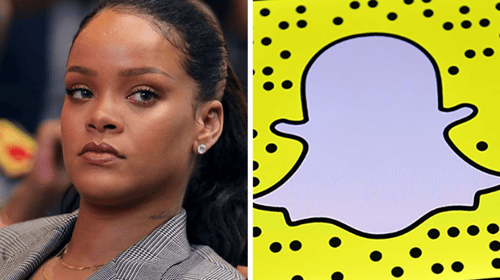
In March 2018, an advertisement for a third-party game on Snapchat referenced violence against Rihanna. She publicly criticized it. Snapchat said the advertisement had been approved in error, violated its guidelines, and was removed.
Reports of an approximately $800 million decline referred to Snap Inc.’s market value, not an $800 million fall in its share price. The reports do not establish that mass account deletions caused the decline.
Planning lesson: Apply content standards to third-party advertising and establish a process for removing material that violates them.
Credit : Getty Images
Balocco: Clear terms for a charity promotion
Balocco’s 2022 “Pink Christmas” pandoro promotion with Chiara Ferragni became the subject of an Italian Competition Authority decision in December 2023. The regulator found the promotion misleading because it suggested purchases would support a children’s hospital, although Balocco’s donation had already been made independently of sales. Ferragni-linked companies received a licensing fee, not charitable sales proceeds.
The regulator imposed fines exceeding €1 million on two Ferragni-linked companies and €420,000 on Balocco. A separate criminal proceeding had a different outcome: Ferragni was cleared of aggravated fraud charges in January 2026. The administrative finding and criminal outcome should be distinguished.
Planning lesson: State precisely who donates, how much, when, and whether the amount depends on purchases.

Credit : Chiara Ferragni Instagram
A pre-launch campaign review checklist
Use these questions to apply the lessons from the examples above.
- Have you reviewed the creator’s public content and fit with your brand’s values?
- Have reviewers considered how the campaign’s cultural references may read in the intended market?
- Does the creator selection reflect the representation promised by the campaign?
- Do the product contents and price support the value described in the promotion?
- Can you substantiate promotional claims, including how any charitable contribution works?
- Have you checked final captions for internal instructions and agreed who will respond if concerns arise?
For help translating these checks into creator briefs and campaign planning, explore Viral Nation’s social strategy and consulting services.
What these nine examples mean for campaign review
These nine examples highlight different review failures. They support practical checks on creative, claims, pricing, cultural context, and publication processes; they do not prove that every controversy caused lasting financial damage.
Build influencer vetting and brand-safety review into campaign planning, with named reviewers and a response plan. Review tools can support that work, but teams still need to assess context and substantiate what a campaign promises.
Frequently asked questions
What should brands review beyond an influencer’s public profile?
Brands should also review the campaign concept, product value, representation, and final promotional wording. The examples in this article show how problems can originate in a brand’s own creative and approval process.
Why does cultural context matter in influencer campaigns?
Audiences can interpret campaign imagery differently from the team that created it. The Pepsi and Dolce & Gabbana examples illustrate why brands should consider local context and the meaning of cultural references before launch.
How can brands keep briefing instructions out of sponsored posts?
Separate internal production instructions from the caption intended for publication, then review the final post with the creator. Scott Disick’s copy-and-paste mistake illustrates the need for that last check.
Are all the examples in this article influencer partnership failures?
No. The Gucci example concerns product design, and the Snapchat example concerns an advertisement on the platform. They extend the discussion to brand-owned decisions and third-party content review.


.png)