Key Talking Points
- Chronological feeds reduced doomscrolling
- MySpace enabled raw self-expression
- Pre-influencer era felt more authentic
- Social used to be connection-first
In 2026, social media has transformed into a high-speed, AI-curated engine meticulously designed for maximum retention. Our feeds are polished, our algorithms are hyper-specific, and the psychological pressure to perform is constant.
But if you scroll back ten or fifteen years, the landscape looked entirely different. It was a time of grainy filters, "cringe" statuses, and a genuine sense of digital lawlessness that allowed for true creativity.
As we navigate this current era of hyper-optimization, there is a collective yearning for the "Golden Age," a period where the internet felt less like a full-time job and more like a playground for social discovery.
We miss the raw, unfiltered connections that existed before the "attention economy" turned every post into a metric. Here are ten things we truly miss about the early days of social media.
The Chronological Feed
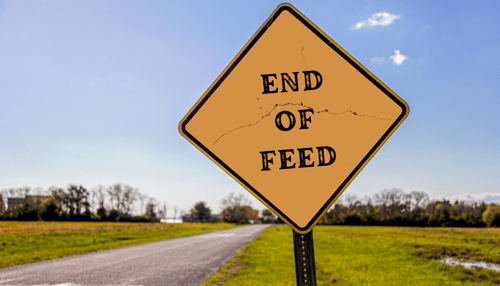
There was once a time when you could actually "finish" social media for the day. Before complex, black-box algorithms decided what was "relevant" to you based on your subconscious scrolling habits, feeds were strictly chronological. You saw what your friends posted in the exact order they posted it. Once you reached a post you had already seen during your morning coffee, you knew you were caught up with the world.
Today’s out-of-order, ad-heavy streams make it impossible to find a natural stopping point, leading to the "doomscrolling" fatigue that defines the modern experience. We miss the simple satisfaction of reaching the "end" of the feed, knowing we hadn't missed a single birthday announcement or late-night thought from our actual inner circle.
MySpace Customization and HTML Coding
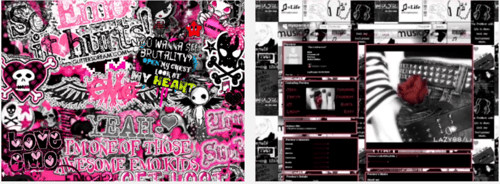
Before the standardized, sterile layouts of modern apps, MySpace was a digital Wild West of self-expression. We miss the high-stakes drama of the "Top 8" friends list, the custom background skins that featured falling stars or skulls, and the sheer audacity of having a heavy metal song auto-play at max volume the moment someone landed on your profile.
MySpace didn’t just give us a profile; it gave us a digital bedroom that we could decorate ourselves. In doing so, it inadvertently taught an entire generation the basics of HTML and CSS coding. We weren't "content creators"; we were amateur web designers struggling to make a glittery cursor follow the mouse. It was messy, buggy, and loud, but it was uniquely ours.
Mundane "is" Status Updates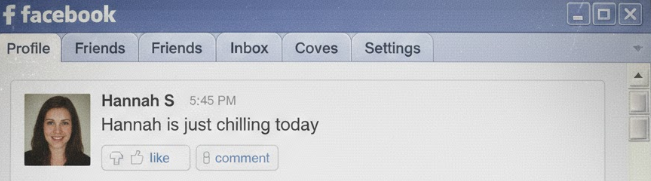
Before social media became a platform for curated "life highlights" and professional branding, it was a sanctuary for the beautifully boring. We miss the early Facebook era where every status update was hard-coded to start with your name followed by the word "is." Seeing "Sarah is eating a sandwich" or "John is bored lol" felt radically authentic.
There was no pressure to be profound, political, or viral; we were just checking in with our friends, sharing the small, unedited moments of a Tuesday afternoon. These updates weren't designed to spark a debate or gain a sponsorship; they were digital "pings" that let our loved ones know we were simply existing. It was an era of low-stakes connection that felt incredibly human.
Digital "Gifts" and Flair
Remember the joy of receiving a digital "beer", a pixelated "puppy", or a "piece of flair" on your profile?
Long before the era of aggressive monetization and "super-likes," these low-stakes interactions were the true currency of digital friendship. Whether it was the "Poke" wars on Facebook that lasted for months or the colorful "Scraps" on Orkut, these tiny, technically useless tokens were a way to say "I'm thinking of you" without the need for a long conversation or a high-effort comment.
They were the digital equivalent of a high-five or a quick wave across a crowded room. In 2026, every interaction feels like it’s being tracked for data, making us miss the simple, silly fun of sending a virtual taco to a best friend.
The "Secret Club" Feeling
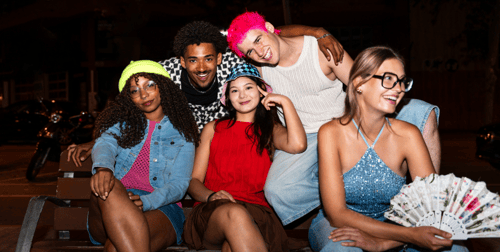
In the early 2000s, being "online" felt like a niche hobby rather than a mandatory requirement for human existence. Before everyone (including your boss, your grandma, your local government, and every corporation on earth) had a verified account, social media felt like a private space for the youth.
There was a genuine sense of community among "digital explorers" who navigated forums, LiveJournal, and early networks. It wasn't a global town square where you had to watch your words; it was a series of small, interconnected tribes where you could speak in slang and inside jokes.
That feeling of being part of a secret digital frontier provided a sense of safety and belonging that has been swallowed by the sheer scale of the modern internet.
Unfiltered, Low-Res Photography

There is a specific, deep nostalgia for the 2010-era Instagram: a single, square photo of a blurry cup of coffee, heavily edited with the "Nashville" or "X-Pro II" filter, uploaded without a second thought. Before "aesthetic" became a stressful career path, photos were candid, often featured red-eye, and were taken on cameras with terrible resolution.
We miss the era before professional ring lights, 4K mobile sensors, and "photo dumps" that take three hours to curate. Back then, the goal was to capture a fleeting memory, not to create a masterpiece of personal branding. Digital photography was about the "now," and the heavy, sepia-toned filters gave every mundane lunch a sense of importance that didn't feel like it was competing for a trophy.
Niche "Fan Pages" and Communities
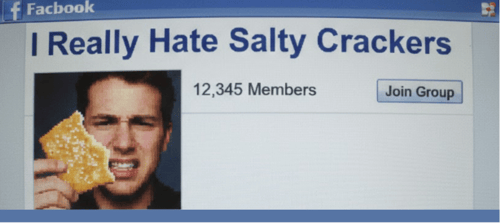
In the early days, you didn't just "follow" a celebrity; you "became a fan" of specific, often absurdly niche pages that functioned like digital badges. We miss the days of joining groups with titles like "I flip my pillow to the cool side" or "I hate it when I'm singing and the artist gets the words wrong."
These pages served no political or commercial purpose; they existed solely to identify a shared, quirky human experience. Joining them created a sense of belonging through shared silliness rather than shared outrage.
In 2026, community groups are often battlegrounds for discourse, making us long for the time when our primary digital affiliation was simply agreeing that "the Sun is too loud in the morning."
The Separation of "Online" and "Offline"
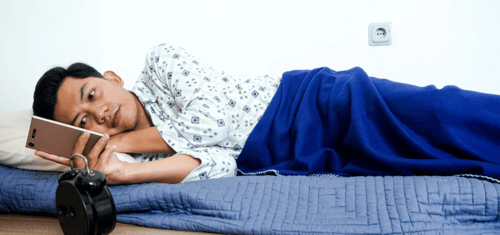
Perhaps the thing we miss most is the fact that social media used to live on a computer, not in our pockets. You had to physically sit down at a desk, wait for the dial-up to screech, and "go online."
Once you logged off and stood up, the internet stayed behind in the machine. In 2026, with smartphones, smartwatches, and wearable tech, we are perpetually connected to the hive mind. The early days allowed for a mental boundary where your social life ended at the bedroom door, giving us the space to be truly present in the physical world.
There was a peace in knowing that no one could reach you with a "notification" while you were out living your actual life.
Genuine Discovery Without "Shop" Tabs
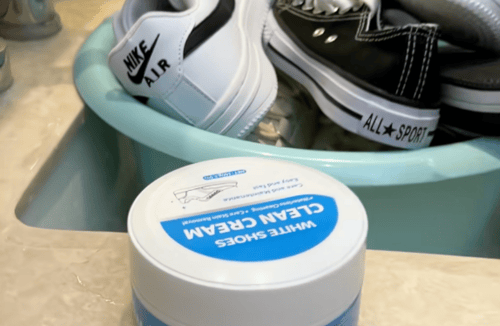
There was a time when clicking a link led to a genuine, serendipitous discovery rather than a targeted ad or a "TikTok Shop" product placement. Discovering a new indie band on MySpace or an amateur filmmaker on early YouTube felt like finding a hidden gem in a vast ocean.
Today’s platforms are so heavily monetized that every third interaction feels like a sales pitch tailored by an algorithm that knows your bank balance. We miss the "accidental" internet, where you could fall down a rabbit hole of weird art or personal blogs without being sold a subscription or a "must-have" gadget at the end.
It was a landscape of curiosity, not a shopping mall disguised as a social network.
The Absence of the "Influencer" Economy
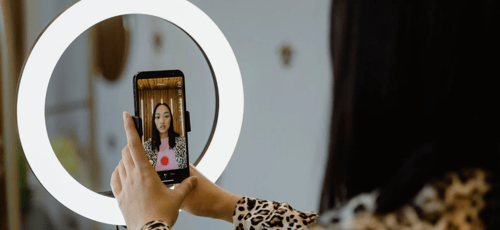
In the beginning, no one was trying to "build a brand" or "optimize their engagement." There were no sponsorships, no affiliate links, and no "link in bio" for a 10% discount.
People posted because they wanted to connect or vent, not because they wanted to pivot into a full-time content career. The absence of professionalized content meant that the internet felt "messy," amateur, and deeply human.
We miss the era where the person you were following was just a person, not a business entity optimized for maximum growth. When everyone is a brand, no one feels like a friend, and we miss the days when a "follow" was a social connection rather than a metric in someone’s quarterly growth report.
The Final Verdict: A Simpler Digital Soul
As we look back from 2026, it’s clear that what we miss isn't just the features, it's the feeling of total digital freedom. The early days of social media were defined by a sense of raw curiosity and low-stakes fun, a stark contrast to the hyper-monetized, algorithmic ecosystems we inhabit today.
While contemporary platforms are undeniably more powerful, efficient, and visually stunning, they often lack the "soul" that came from a time when the internet felt like a shared experiment. We were all just figuring it out together, posting without the looming pressure of personal branding or engagement metrics.
The "Golden Age" may be gone, but the memories of Top 8s, custom HTML profiles, and grainy, unedited selfies remind us that, at its best, the internet was always supposed to be about the people, not the platform. It was a space for connection, not just consumption.
.png)