


Key takeaways
- Build creator briefs around the decisions shoppers need to make, including suitability, alternatives and the limits of a product’s usefulness.
- Select creators whose experience helps them demonstrate the product and explain which conclusions come from personal testing.
- Keep product information consistent across videos and buying destinations, while leaving creators room to express their own judgment.
A fragrance launch has to make an unfamiliar scent understandable before someone can smell it. When that launch also spans social commerce, a brand’s own websites and retail, the planning question becomes more specific: what information should be made available to shoppers during their preliminary research?
This requires brands to determine how product facts, sensory descriptions, and purchasing options are presented so consumers receive reliable, consistent answers — whether they first encounter the product through a creator video, browse details on an official website, or check availability on Amazon.
e.l.f. POP offers a timely example. In its October 5, 2026 announcement, e.l.f. introduced a fragrance and body-care collection with a launch sequence across TikTok Shop, its own sites and Amazon. The public details provide a useful basis for examining product education and channel coordination.
What and where e.l.f. Launched
The holiday collection, inspired by Tromsø, Norway, introduced the Spicy Bundt Nice scent through a fragrance mist, body cream and travel kit. The creative included packaging artwork by Norwegian illustrator Esra Røise and a soundtrack by Norwegian artist SKAAR.
According to e.l.f., the collection launched on TikTok Shop US on October 4 during Fall Deals for You Days. Its US and UK websites and TikTok Shop in the UK and Germany followed on October 5. Amazon availability in the US, UK, Germany and Canada was announced for October 6.
These dates only establish the intended distribution sequence. As marketers, we still need to ascertain whether someone discovered the collection on TikTok and subsequently bought it on Amazon, or whether one channel generated incremental sales. The useful analysis starts with the choices a launch team can control.
Plan for discovery beyond a single destination
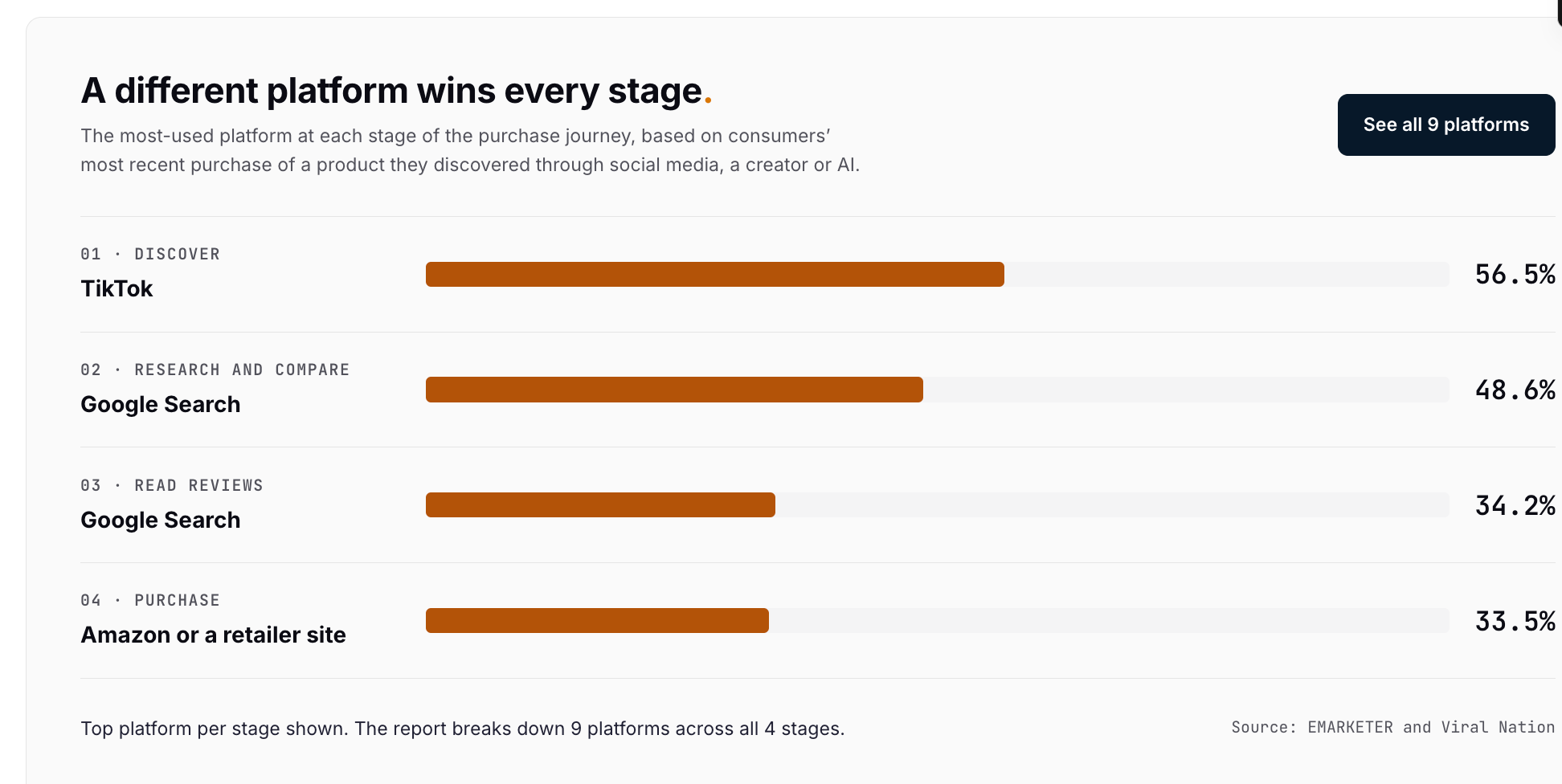
The EMARKETER and Viral Nation white paper, How social, creators, and AI are reshaping discovery, consideration, and trust, found that 52.3% of respondents said their discovery habits had changed over the previous two years. That included adding social and AI discovery or relying more heavily on social and creators.
In June, 2026 we surveyed 1,068 US consumers who had recently used social media or YouTube and AI tools. The reported findings provide context for multichannel planning, rather than evidence about the e.l.f. POP campaign’s performance.
Start by assigning a purpose to each asset.
An introductory video can establish the product concept. A creator review can explore suitability and use. A product listing can resolve questions about formats, quantities and availability. These are planning choices, not a claim that shoppers will encounter every asset in a prescribed order.
This distinction matters when reviewing a launch calendar. Check whether the information someone needs is available when interest begins, including in markets with different release dates.
Make the sensory story useful
e.l.f.’s campaign used a destination, illustration and music to introduce the collection. For a brand planning a similar launch, the next question is how that creative world helps a shopper evaluate the actual product.
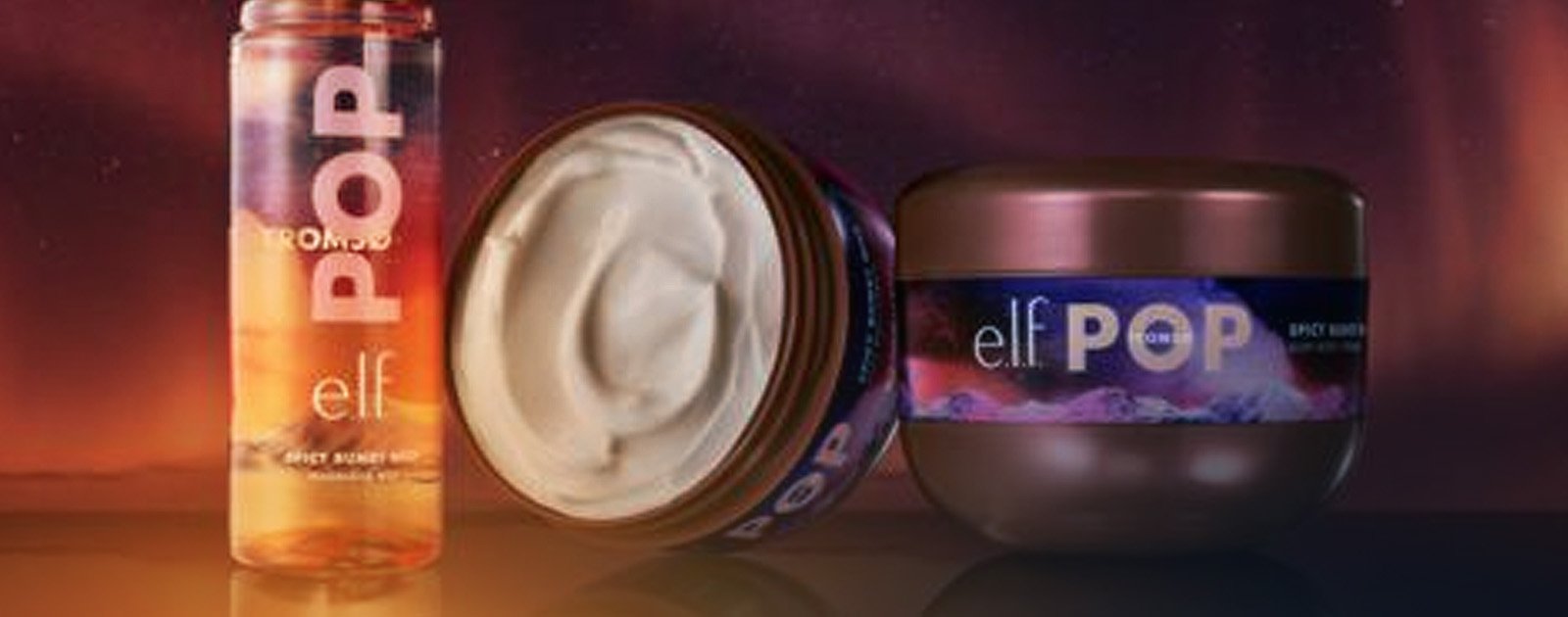
The announced scent notes include orange zest, cardamom and cedarwood. Those details give a creator concrete reference points while leaving room to explain their own experience of the fragrance.
A creator brief should connect sensory description with ordinary preferences. Ask creators to explain what they notice, how they use the product and which comparisons genuinely help them describe it. Keep personal impressions identifiable as personal impressions.
For body care, show the amount applied, the application process and the texture on camera. For fragrance, describe the experience in language the creator would normally use. Avoid presenting an individual’s assessment of intensity or longevity as a universal product guarantee.
The same discipline applies to creative collaborators. Artwork and sound can give content a recognizable identity; the product demonstration still needs to answer a buying question. A beautiful launch asset and a useful review can perform different jobs within the same campaign.
Prepare the destination that receives the interest
The report also examined a subgroup of 533 respondents who had recently discovered and bought a product through social media, a creator or an AI tool. Of that group, 33.5% selected Amazon or a retailer’s website or app as involved at the actual purchase stage. Respondents could select multiple sources.
This is not Amazon’s share of purchases generated by TikTok, and it does not describe e.l.f. customers. It supports a broader planning consideration: evaluate the information available at potential purchase destinations alongside the content designed to generate interest.
Check that listings describe the same products, variants and package contents as the creative. Explain differences between individual items and sets. Review availability and market restrictions before sending traffic to a destination that cannot serve the intended audience.
Viral Nation’s influencer marketing services connect creator selection and product education with commerce planning and measurement. For a multichannel launch, that work should begin with the audience’s questions and the information each destination needs to provide.
A multichannel launch readiness checklist
- Map launch dates, product availability and buying destinations for each market before approving audience-facing calls to action.
- Give creators verified product facts and room to describe their own experience without promising universal results.
- Match each asset to a specific question about the concept, product use, suitability or purchase options.
- Check that social content, owned product pages and retailer listings describe the same variants and contents.
- Define separate measures for discovery, evaluation and sales, and document what the available data cannot establish.
Frequently asked questions
What can marketers learn from e.l.f. POP’s launch sequence?
The announced sequence provides an example of coordinating a product launch across social commerce, owned websites and retail. It does not establish how individual shoppers moved between those channels or which channel caused a sale.
How can creators explain a fragrance online?
Creators can describe their personal sensory impressions, demonstrate how they use the product and explain the preferences behind their assessment. They should avoid treating an individual experience as a result everyone will share.
Should a launch use identical content on every channel?
Keep product facts consistent while adapting the presentation to the question each asset answers. An introduction, a detailed review and a product listing can share accurate information while serving different needs.
Does Amazon availability prove TikTok drove retail sales?
No. Availability across both destinations does not establish a customer journey or causal effect. Evaluating that relationship requires suitable campaign and sales evidence, with clear limits on what can be attributed.
For broader evidence to inform those decisions, download the EMARKETER and Viral Nation white paper and explore where shoppers discover, evaluate and buy, and whom they trust along the way.