Key takeaways
- Crocs gave collaborators room to reinterpret a recognizable product, making creator input part of product development.
- Jibbitz let customers personalize their shoes, extending participation beyond celebrity collaborations to individual buyers.
- Crocs paired creator activity with e-commerce investment, while operational changes also supported the company’s turnaround.
The creators, customers and social strategy behind Crocs’ comeback
In August 2026, Crocs introduced Niles, a six-foot crocodile who had been hiding in the brand’s logo since 2002. His arrival played out on social through Easter eggs, a countdown and a live “hatching.” Now he has his own accounts, a workplace micro-series filmed with Crocs employees and a mandate to grow across content, entertainment and live experiences.
Two weeks earlier, the Crocs brand had reported its first billion-dollar quarter. The company that once struggled to move beyond its polarizing foam clog is now testing whether it can build entertainment IP around the world that shoe created.
Crocs’ comeback rests on a simple idea: let other people help decide what the shoe can be. Designers and creators reshaped the product, customers personalized it, and Crocs built e-commerce and social commerce around the activity that followed.
Over time, creator marketing became part of how Crocs developed products, entered new communities and learned what its customers wanted.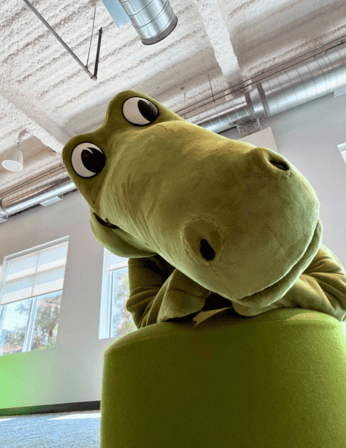
How Crocs found its way back
Crocs entered 2017 in turnaround mode. After reporting $1.04 billion in annual revenue and a $31.7 million net loss, the company planned to close roughly 160 stores, cut costs and improve inventory management. It also created a global e-commerce function. By 2018, revenue had risen 6.3% to $1.09 billion, e-commerce was up 22.5% and operating income had increased 263.1%.
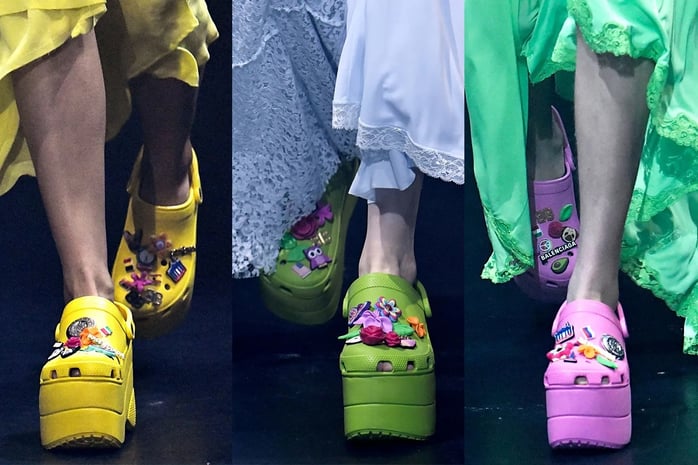
The operational repair gave Crocs a stronger base just as culture began to reconsider the product. Christopher Kane sent mineral-covered Crocs down the runway in 2016, followed by Balenciaga’s platform version in 2017. Vogue traces the brand’s high-fashion reappraisal to those collaborations.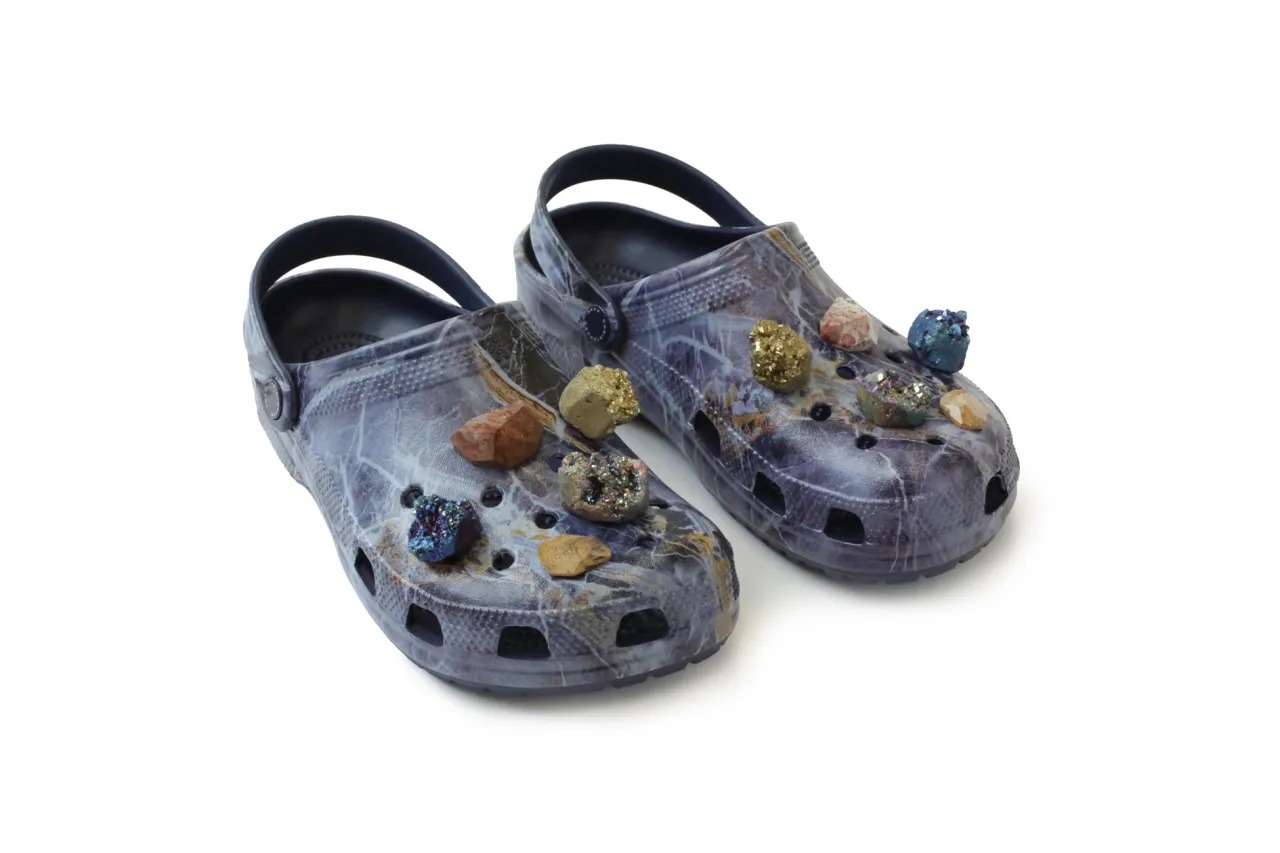 Neither designer tried to make the clog blend in. They exaggerated a shape people already had strong feelings about. That made each reinterpretation easy to recognize and easy to discuss in a feed. The product could carry a new point of view without losing the Crocs identity underneath it.
These collaborations illustrate a useful brand advantage: a recognizable product that collaborators could reinterpret. Crocs had a distinctive asset that other people could change. The same shoe could move through fashion, music, gaming and fandom while staying visibly Crocs, giving every collaborator a familiar object on which to leave a mark.
Post Malone, Salehe Bembury and a new kind of collaboration
Post Malone became one of the clearest early examples. He was already wearing Crocs and talking about them before the partnership began. In 2018, the first Post Malone x Crocs release turned his tattoos and Posty Co. identity into six Jibbitz charms. The creator’s relationship with the product shaped what Crocs made and gave fans something that felt connected to him.
The partnership continued across five releases. According to Crocs’ Shorty Awards entry, the fifth collection sold out within hours, generated 5.6 billion earned-media impressions and produced nearly 200,000 engagements on the brand’s social content. Across those releases, Crocs found a collaborator whose taste kept giving fans a reason to come back.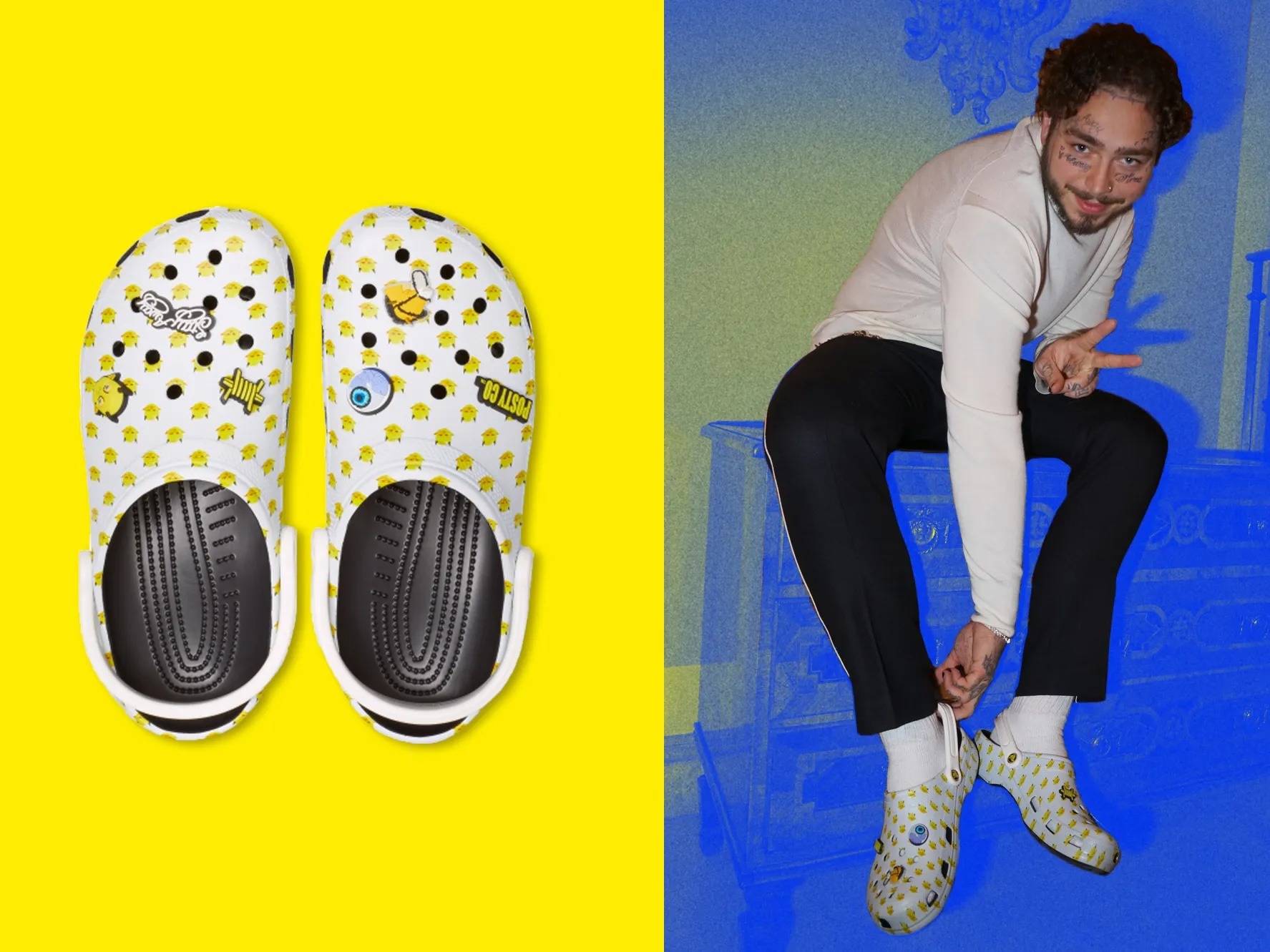 The idea then opened to the audience. Inspired by a lyric from Post Malone’s song I’m Gonna Be, the #ThousandDollarCrocs TikTok challenge asked people to show how they would customize a $1,000 pair. R3 Worldwide reported 95 million views and 45,000 videos in the first 36 hours, along with an 18% increase in Crocs’ follower count. The prompt worked with an action people already associated with the shoe: making it personal.
Salehe Bembury took creator involvement further. His fingerprint-inspired Pollex Clog introduced a new silhouette and brought Crocs into sneaker and design communities through his visual language. Crocs later named Bembury creative director of the Pollex line, giving him continuing authority over a product franchise.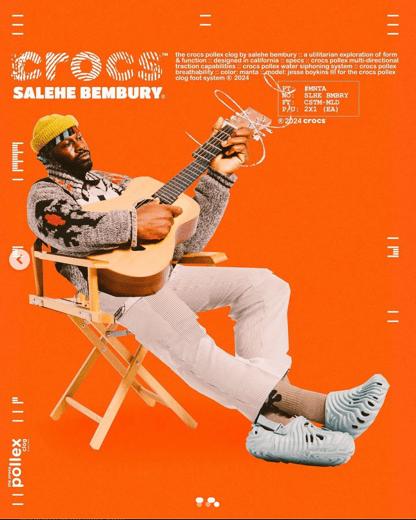
That progression from Post Malone’s charms to Bembury’s product leadership is what makes the Crocs case relevant to creator-forward marketing. The creator contributes context, taste and community knowledge that the brand cannot reproduce by writing a tighter brief. Crocs keeps enough of its identity to remain recognizable, while the creator has enough control to make the result credible.
For brands applying this approach, Viral Nation’s influencer marketing services cover creator selection, relationship management and campaign execution.
Smaller creator programs show how the model translates beyond celebrity. In one CreatorIQ case study, four existing Crocs fans received a broad brief and introduced a new shoe in ways suited to their Instagram and TikTok audiences. The vendor reported 1.1 million impressions and 135,000 engagements. The campaign reflects a consistent choice from Crocs: work with creators who already understand the brand, then give them the authority to introduce the product in their own way.
The Getaway Sandal launch followed a similar pattern, combining personalized product seeding, an event and more than 20 creators, reporting 6.7 million organic impressions and more than 330,000 engagements. Together, the creators gave the same sandal a different context for each audience.
Jibbitz turned customers into creators
Jibbitz give every customer a smaller version of that creative role. Crocs acquired the charm business in 2006 for $10 million upfront, with up to another $10 million tied to performance, after Jibbitz had already sold more than six million charms.
The charms turned self-expression into a repeatable action. One pair of clogs can change with a person’s fandoms, mood or life stage, generating new reasons to post and purchase. Crocs told investors in 2021 that customers who engage with personalization have twice the average lifetime value of those who do not.
Customer signals have also shaped product decisions. The same investor presentation traced adult Lightning McQueen Crocs to a fan petition and more than 1,000 direct messages requesting a pair. In 2024, Jibbitz revenue grew 6%, and Crocs launched its first campaign led by the charms..jpg?width=1920&height=1080&name=Untitled%20design%20(10).jpg)
This feedback loop is central to Crocs’ social-first story. Creators demonstrate what the product can mean, customers adapt it again, and their behaviour gives Crocs ideas for future releases. Social becomes a place to observe demand and invite participation, with product and marketing responding to what the brand learns.
How Crocs connected social participation with commerce
Participation creates value only when the business can hold onto the attention. Crocs had already invested in e-commerce before the pandemic; in 2019, fourth-quarter e-commerce revenue rose 34.3%. In 2020, digital sales increased 50.2% and represented 41.5% of company revenue, helped by the pandemic-era shift toward comfort and online shopping.
Crocs also matched ideas to the behaviour of different platforms. A Diplo collaboration launched through Twitch, Justin Bieber’s release received a Snapchat lens, YouTubers worked on a Korean soundtrack campaign and a tie-dye collection entered Minecraft. Collaborations brought people to Crocs.com and into the brand’s email audience, while customer data and loyalty tools gave Crocs a way to continue the relationship after a limited drop ended. 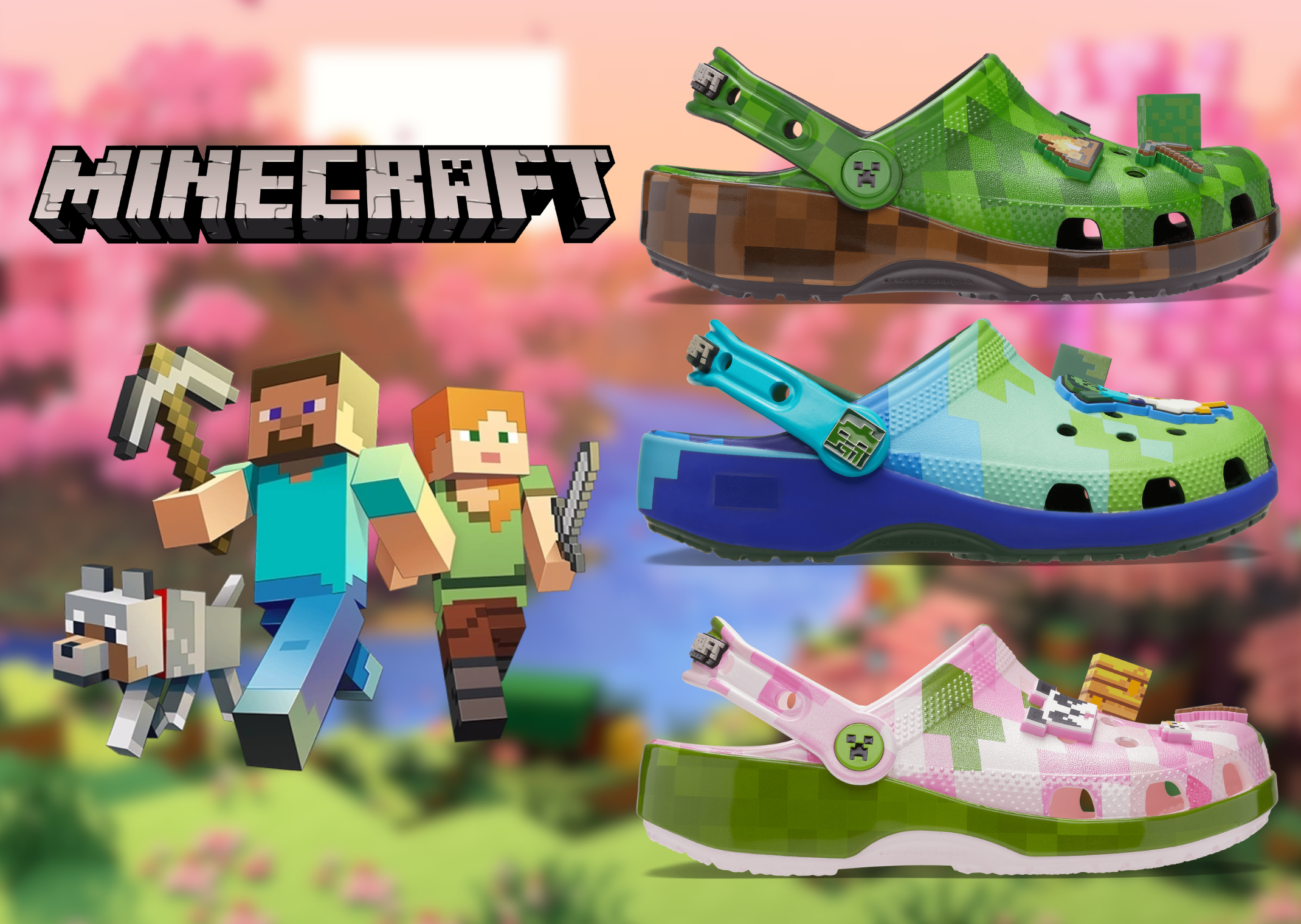 TikTok Shop has shortened the journey from creator content to purchase. Modern Retail reported that Crocs’ first Super Brand Day generated $1 million in sales. Crocs CEO Andrew Rees later said the channel produced sales alongside a halo across other digital channels and stores.
Together, those channels help Crocs turn a social moment into an ongoing customer relationship. That is what keeps the comeback moving after a collaboration ends.
To evaluate how social activity contributes to business outcomes, explore Viral Nation’s social measurement and business intelligence services.
Can Crocs keep it going?
Creators were one part of a much larger comeback. Store closures, cost control and inventory discipline helped repair the business, while comfort, accessible pricing and international distribution widened the customer base. That work meant Crocs could keep up when collaborations sent more people its way.
A packed collaboration calendar creates its own problem: every new drop has to work harder to feel different from the last. The business has been uneven too. Crocs-brand revenue grew 1.5% in 2025 as North American revenue declined 6.8%, while Crocs-brand revenue grew 4.3% year over year in the second quarter of 2026.
Niles enters at that point in the story. Crocs calls him a long-term investment in intellectual property that can move through social content, entertainment, live events and commerce. He could give the brand a recurring voice between collaborations and reduce its dependence on outside talent for every cultural moment.
The audience still needs a role. Crocs built its relevance by allowing other people to change the meaning of the shoe. For marketers, the opportunity is to use Niles as a host, collaborator or community prompt that invites audience participation.
What marketers can learn from Crocs
Use these four questions when planning a creator program:
- What can collaborators reinterpret? Identify a recognizable product or brand asset and decide where creators can change it.
- Why is this creator a credible partner? Look for an existing connection to the product, relevant expertise or a distinctive creative perspective.
- How will customer feedback inform decisions? Review requests and participation for ideas worth testing in future content or products.
- Where can interested customers go next? Connect creator content with a clear purchase route and a reason to stay involved after a launch.
Crocs sustained its comeback by letting people participate in what the brand became. The next chapter will show whether Niles can extend that world without closing it off.
Frequently asked questions
How did creator collaborations support Crocs’ comeback?
Crocs worked with collaborators who brought their own identity to the product, from Post Malone’s Jibbitz charms to designer reinterpretations of the clog. These collaborations formed part of a broader turnaround that also involved operational changes and e-commerce investment.
What role did Jibbitz play in Crocs’ marketing strategy?
Jibbitz let customers personalize their Crocs with charms reflecting their interests. That gave customers a practical way to participate in the brand beyond buying a standard pair of shoes.
Did influencer marketing alone drive Crocs’ revenue growth?
The evidence presented does not isolate influencer marketing’s contribution to Crocs’ overall revenue growth. The turnaround also involved store closures, cost control, inventory management and investment in digital sales channels.
What can marketers learn from Crocs’ creator strategy?
Give collaborators room to interpret a recognizable brand asset, choose partners with a credible connection to the product, and use customer feedback to inform decisions. Support that participation with a clear path to purchase.
-1.jpg)
.png)