

-
Creators act as full creative partners.
-
Long-term creator collabs drive growth.
-
Co-created products build instant demand.
-
Events & takeovers boost brand relevance.
Creators act as full creative partners.
Long-term creator collabs drive growth.
Co-created products build instant demand.
Events & takeovers boost brand relevance.
Remember the old days of simple cash-for-content exchanges and the inevitable #ad tag? That creator-brand relationship now feels as outdated as a fax machine (my kids literally just asked me what this was yesterday).
Today’s creators are more capable than ever to weigh in on creative decisions, and they wear dozens of hats.
They’re founders, directors, producers, editors, graphic designers, and strategists—often building mini empires. Partnering with a creator today means tapping into a full-spectrum, culturally fluent creative engine.
During the Advertising Week sessions in October, Kristin Maverick, Director of Social and Creator Marketing at Verizon, shed light on the capabilities of today’s creators:
“[Creators] all bring a lot of different things to the table. Some have production companies behind them, some have their own studios in place… It’s just a lot of new options for us as brands to be able to create content. It’s not just hiring someone for their reach. It’s… let’s see what else we can do.”
This article covers five dynamic ways your brand can partner with creators to grow your business—no one-and-done ads here.
First up to bat in the “how to partner more effectively with creators” game? Try this: hire a creator to take the lead on producing your branded content.
In this kind of collaboration, you’re inviting the creator to help shape the concept, aesthetic, and narrative direction—bringing their creative eye, cultural fluency, and personal style to the forefront of the campaign.
This approach is used for a couple of reasons.
First, if there is one thing popular creators understand, it’s what “clicks” with their (and your) audience. They’ve already done the hard work to build a following and know what it takes to produce content that continually performs. So you have built-in proof that what they produce will win.
The other reason? Your audience trusts creator-led and produced content more than they trust branded content. To quantify this, 61% of consumers trust creator content over branded content, according to recent research by Sprout Social.
One example of this is Levi’s partnership with Emma Chamberlain on a six-piece collection inspired by her Northern California roots and her love of thrifted fashion.
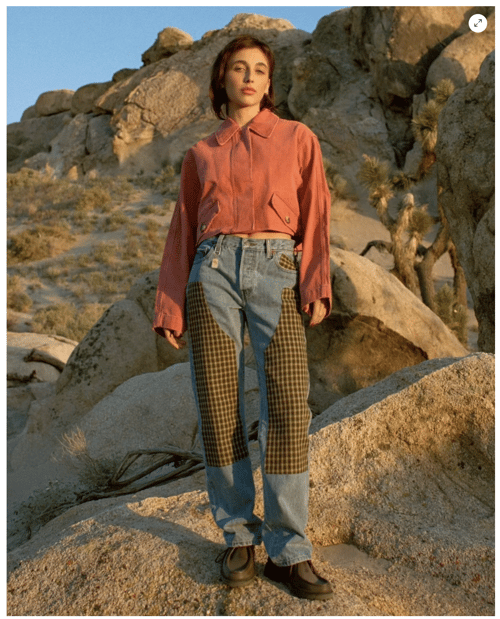
As Hooks Magazine reported, “In addition to collaborating with Levi’s design team to develop the collection, Emma served as the creative director of the campaign, which was set against the diverse nature of Northern California.”
This collaboration worked because it tapped into both sides of Emma’s influence—her production instincts and her cultural credibility. She brought creative direction, aesthetic clarity, and an authentic connection to the campaign’s story, tone, and visual world. The final product felt like an extension of her content, shaped with her voice.
Influencer campaigns are delivering results for brands. According to Sprout Social’s Q1 2025 Pulse Survey, 67% of B2B marketers use influencer marketing to build awareness, 54% to increase trust, and 24% to drive revenue.
This brings up the old adage, “If it (influencer marketing) ain’t broke, don’t fix it.”
Rather, invest more heavily in the creators who already know how to tell your story and are driving results for your brand.
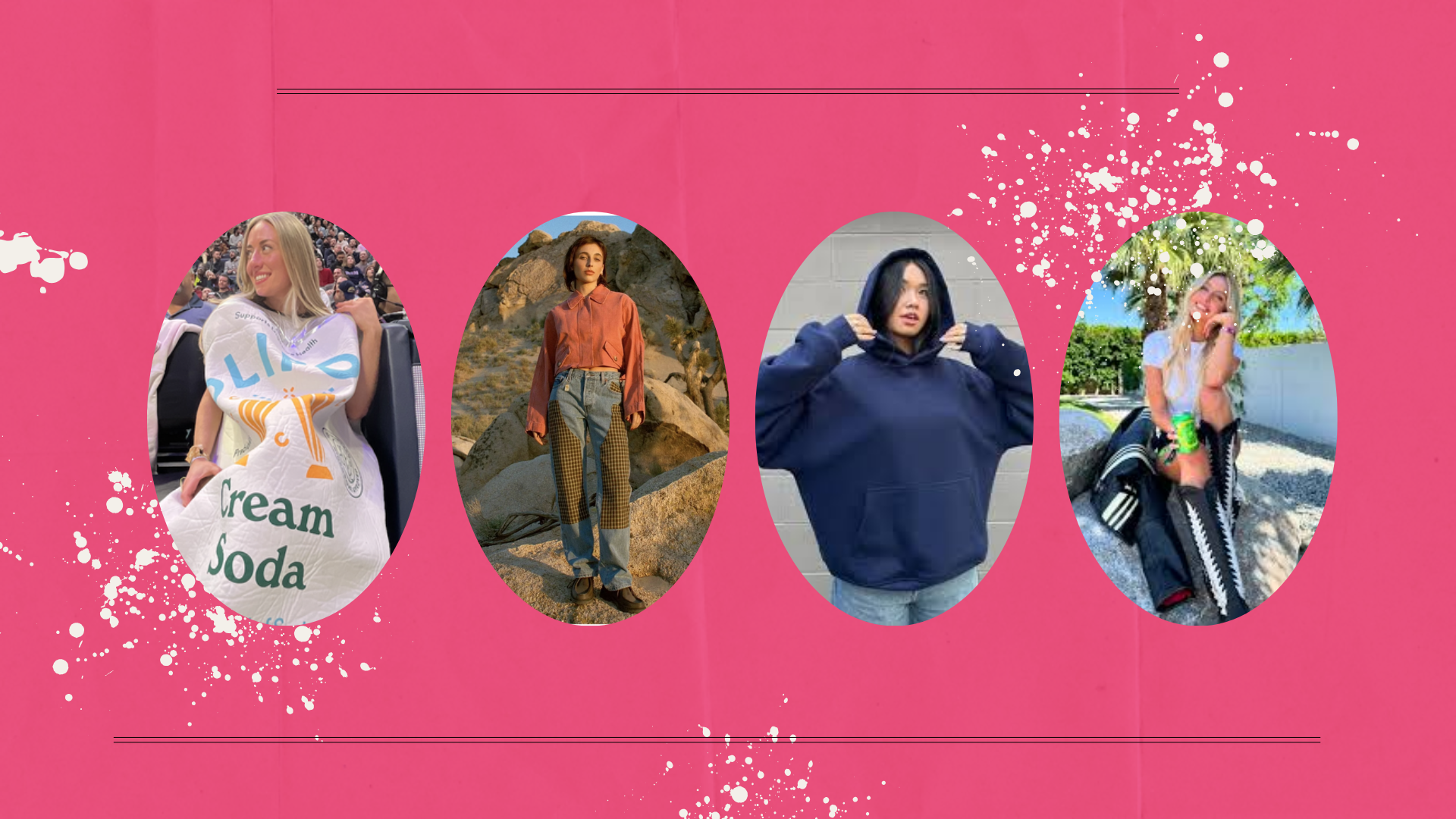
Olipop is a masterclass in this approach. When rising costs and diminishing returns made traditional ads less effective, the brand shifted focus and funneled most of its marketing budget into TikTok and creator partnerships. That pivot helped them drive viral attention and long-term growth, especially with creator Sara Crane.
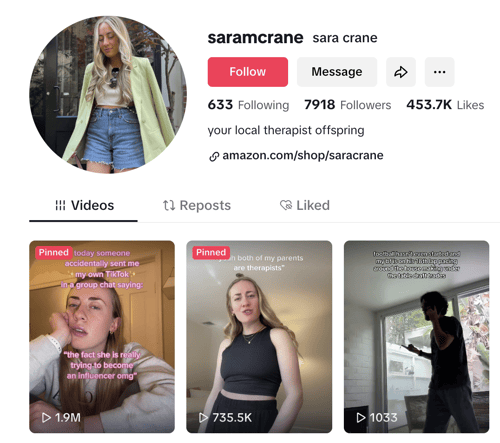
Crane now works on retainer as a full-time creator for Olipop. She regularly appears on its TikTok account and acts as the on-camera anchor of its presence. Her role blends content creation, brand voice, and ongoing audience connection. She’s helped build a recognizable narrative tone that’s deeply tied to Olipop’s values and product personality.
The most interesting part is this wasn’t a big, expensive marketing play. Sara isn’t a mega-influencer. But she’s a good storyteller with an ability to connect.
That connection has turned Olipop’s feed into a destination that consistently performs better than agency-led or brand-directed content ever did.
The payoff for this investment? The hashtag #OlipopPartner has racked up more than 560 million views on TikTok, fueled by creator relationships like Sara’s.
What do Charli D’Amelio, Hyram Yarbro, and Julia Huynh have in common? They all partnered with existing brands to create exciting new products.
Charli D’Amelio teamed up with Dunkin’ to launch a custom cold brew drink called The Charli, which led to a 57% spike in app downloads and a 45% increase in cold brew sales within days.
Hyram Yarbro created a full skincare line in partnership with The Inkey List called Selfless by Hyram, which launched globally in Sephora with a focus on ethical formulas and education-led marketing.
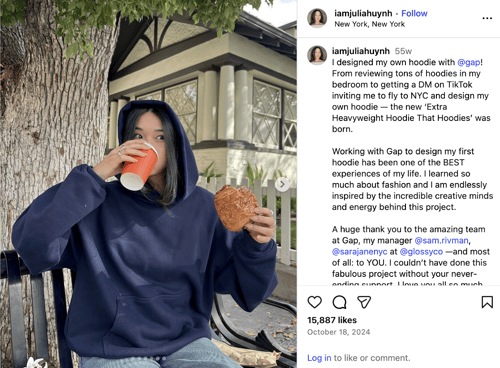
Julia Huynh collaborated with Gap to design The Extra Heavyweight Hoodie That Hoodies, a product born from her viral TikTok series and embraced by fans for delivering exactly what she promised.
What makes creator-led product lines such a smart move for brands?
They tap directly into culture—especially Gen Z culture—through someone who already knows what resonates. The creator brings an audience that trusts their taste, a distinct aesthetic, and built-in demand. It’s a fast track to relevance (and more sales) with credibility baked in.
Let’s take a closer look at how Gap pulled this off with Julia Huynh.
In October 2023, Huynh—known for her viral “hoodie that hoodies” series—was on a mission to find the perfect sweatshirt: wide, boxy fit, oversized hood, drop shoulders, soft heavyweight fabric.
Gap noticed the traction her series was getting and invited her to co-create a hoodie from scratch. She flew to the brand’s NYC HQ, worked directly with the design team, picked the colors, and helped develop the brand’s heaviest French Terry yet. The $98 hoodie launched in four colors and was sold online and in select stores.
Brands looking to follow suit should start by identifying creators who already influence their category—and then invite them into the product process early. Skip the sample drop. Ask for input, co-create, and give them real ownership.
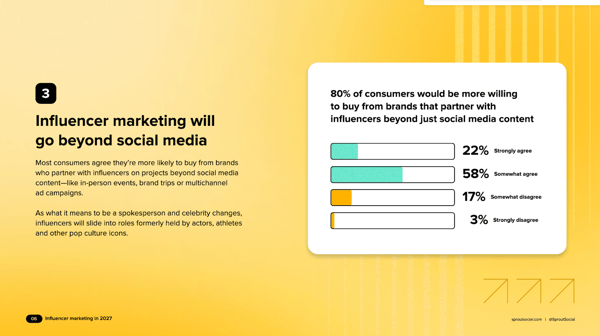
According to Sprout Social, 80% of consumers say they’re more likely to buy from brands that work with creators in ways that go beyond posts—like live events, pop-ups, and in-person experiences.
Audiences get used to seeing their favorite creators daily. And, once this happens, they reach mini-celebrity status. Translation? They draw a crowd.
That means you’re no longer just hiring them for their audience—you’re hiring them for access. Their name brings people through the door, their voice shapes the energy in the room, and their presence gives your brand cultural relevance on the ground.
A powerful real-world example of this strategy is the collaboration between Poppi and Alix Earle at Coachella.
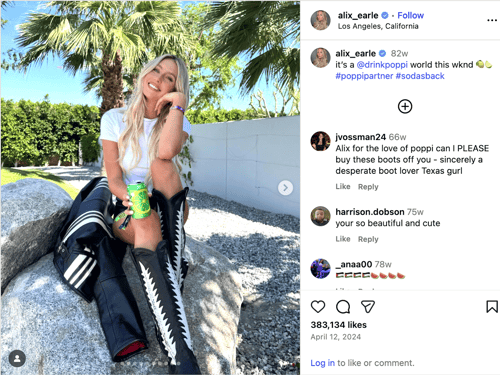
The prebiotic soda brand Poppi hired mega-creator Alix Earle for an extensive event partnership. Alix Earle served as the face of the exclusive Poppi House activation at Coachella 2024, creating an immersive, creator-led experience that blended seamlessly with her content.
By having Earle host, Poppi gained instant credibility and access to the massive, engaged audience that views her as a relatable figure. She drew other creators and media to the branded event.
The results prove it was worth the investment. According to Linqia, the campaign generated over 50 million impressions in three days. It led to a 200% spike in sales for the brand, demonstrating the tangible business impact of creator-led event hosting.
For this last idea, we’re going to dive into a buyer psychology principle called novelty and pattern disruption.
Here’s the short of it: When people are exposed to the same style of messaging or visual content over and over, they begin to mentally filter it out (a phenomenon called banner blindness). That’s true even if the content is coming from a brand they like.
That surprise factor can trigger curiosity and increase dwell time and engagement. It’s the same mechanism behind doomscrolling. You’re swiping through content on autopilot, barely registering what you’re seeing. But when something breaks that rhythm—like a familiar creator popping up unexpectedly on a brand’s feed—it reactivates the brain.
Instead of sticking to the same branded content on social media, shake it up. Hand over the reins to a creator your audience vibes with. Let them take over and do what they do best.
Bottom line: Treat creators like collaborators, not placements. Give them real input, real ownership, and a real stake in the outcome, and watch the results speak louder than the reach.

.png?width=300&height=300&name=July%20lists%20and%20blogs%20(1).png)

.png?width=300&height=300&name=May%20lists%20and%20blogs%20(19).png)