.png)
Scrolling online can sometimes feel more like a chore than a spark of inspiration.
What used to feel like discovery now feels like déjà vu: creators recycling the same ideas, AI writing patterns worn thin, and every post starting to feel like a remix of a remix of a remix.
Yeah, the problem starts with AI. We now have machines at our fingertips that can spin up new content before we’ve even finished our morning coffee. Stats show that nearly 74% of webpages contain AI content.
AI isn’t the issue, though. It can be a huge companion for efficiency, and it has brilliant creative uses (those AI McDonald’s babies will always be hilarious).
The real problem is what I call “copy-and-paste content,” or content you could take from one brand or creator, copy it onto another similar brand or creator, and no one is the wiser.
It’s the decision to mass-produce noise, even when it dulls your own voice.
It’s the tradeoff of creativity for volume, because somewhere along the way, we decided “more” mattered more than “memorable.”
So, to move away from the Nothing Burger that is content right now, here are some unique ideas to test that will bring some flavor back into your content strategy. Let’s do this!
1. Adopt an already popular creator’s newsletter
Newsletters are hot right now. They’re one of the few channels people actually want in their inbox. Opens and clicks still outperform social, and the creator economy is proving just how powerful direct communication can be. There’s a massive opportunity for brands to build real connections in this space.
But if every brand rushes to launch its own newsletter from scratch (without newsletter experience or a clear voice), we’re just flooding inboxes with more of the same. Plus, building from zero is slow, expensive, and rarely works without serious time and trust.
So here’s a new idea: instead of starting from scratch, adopt a creator, or buy their newsletter and expertise.
There are hundreds of creators and thought leaders out there with loyal readers and sharp editorial instincts. They’ve already done the hard work of building an audience and earning trust. What these newsletter owners don’t always have is the operational muscle that a bigger brand can bring, including design, analytics, monetization, and growth resources.
That’s where the partnership gets interesting. Keep the creator as the face and editor-in-chief, but put your brand’s power behind them.
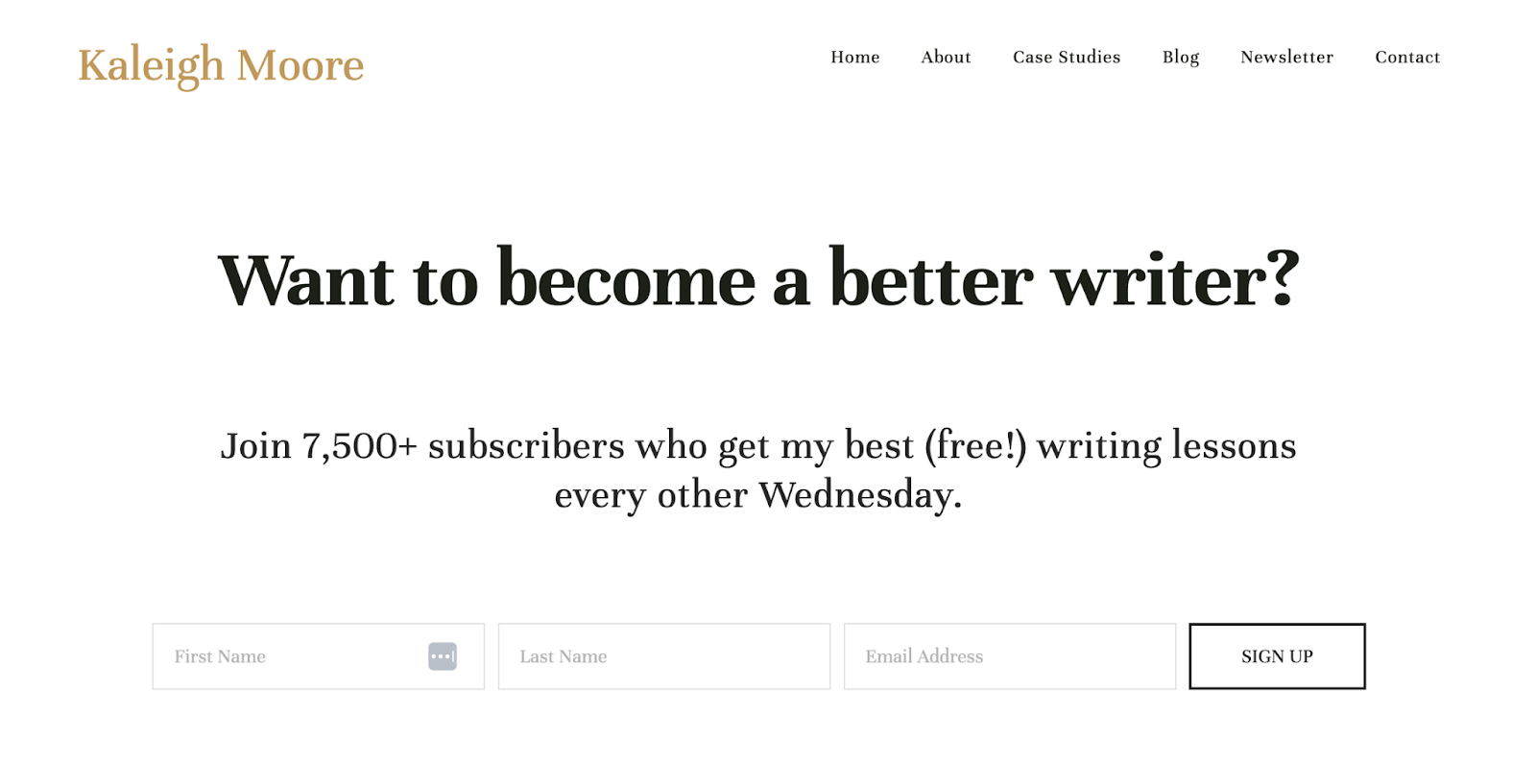
Imagine this. You’re a writing tool with a killer product and a niche audience. You partner with someone like Kaleigh Moore, who already runs a respected newsletter for writers. She has a voice, credibility, and loyal subscribers. You bring design support, paid distribution, and ad sales. Together, you’ve got a media property that feels human and scalable.
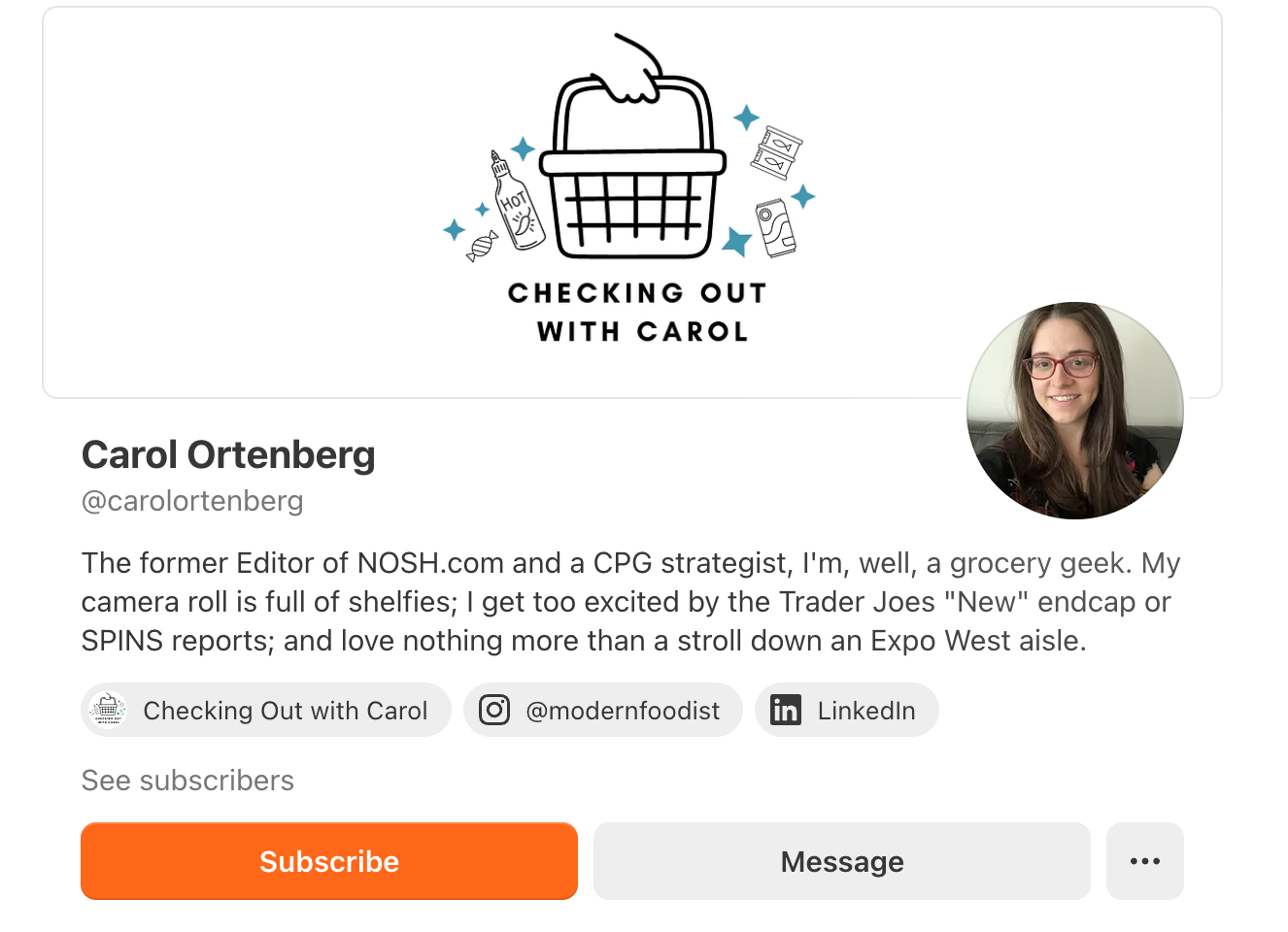
Or say you’re a CPG brand wanting to get ahead of the next big food trend. Why not partner with Carol Ortenberg from Checking Out with Carol? She’s a self-proclaimed “grocery geek” with industry credibility, trend insights, and an audience that actually cares about what’s on shelves. You bring production power, audience growth, and brand distribution. She brings insider knowledge, trend instincts, and a trusted voice that shoppers already follow.
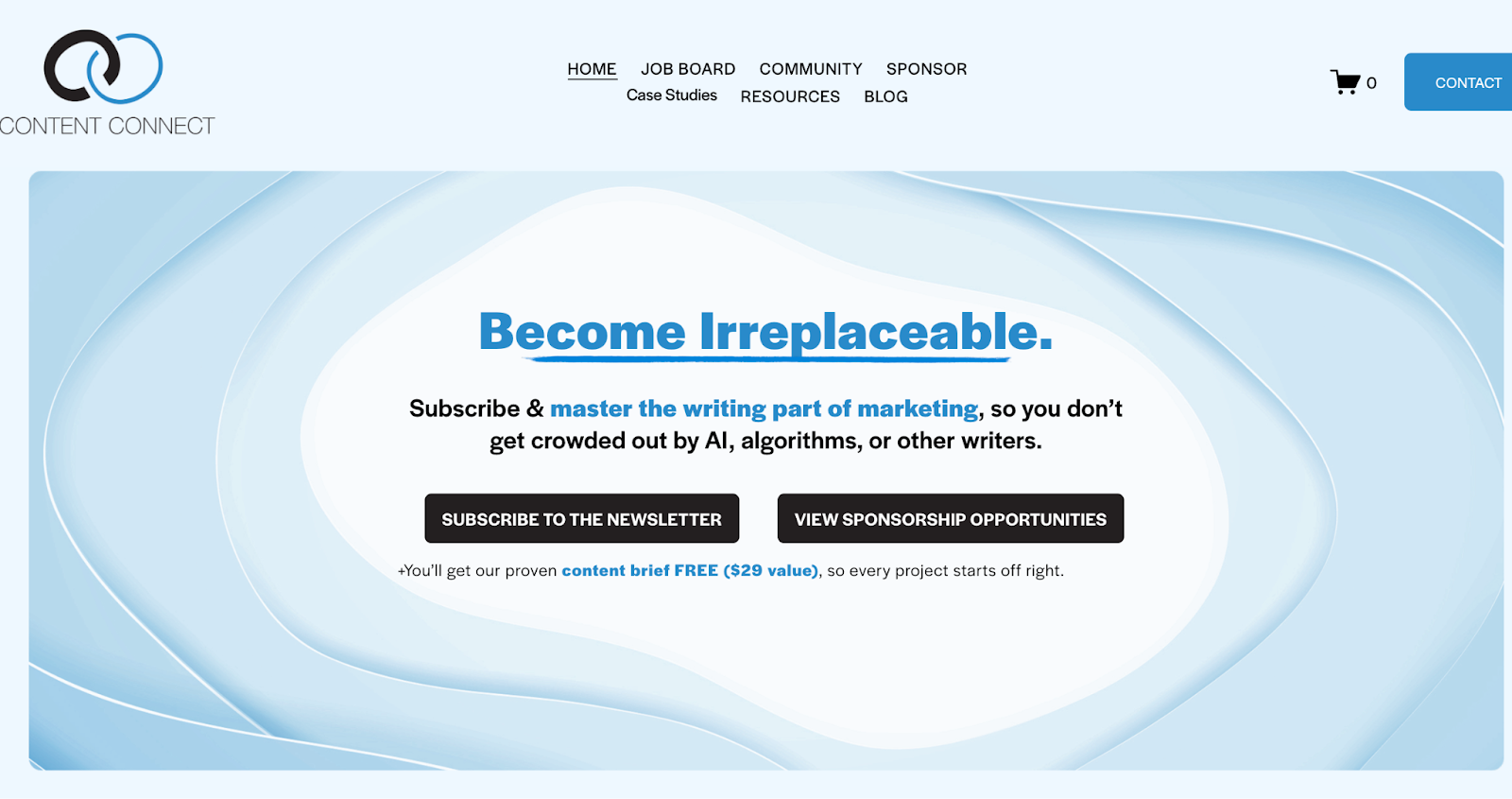
And hey, if you’re a content marketing platform, you could even adopt me. I run Content Connect with 6K subscribers and a 150K-member community. Bring my voice, audience, trust, and stories to your brand.
The way forward is partnering with creators who’ve already done the hard work for you.
2. Go live (for real this time)
Let’s be real. The internet doesn’t need another polished carousel with takeaways from an event that happened 17 days ago. We’re craving immediacy and authenticity. We want to see the unscripted, in-the-moment, slightly sweaty kind of content that feels alive.
We want every spin on live content we can get.
Here’s an example I came across recently that I love. Creator economy pro and sponsorship coach Justin Moore recently created an awesome piece of content.
Instead of telling us how to land a sponsorship deal, he showed us by recording a real call where he pitched Lulu on a $15,000 package for his 2026 Sponsor Games. He walked viewers through his prep, shared his thinking mid-pitch, and navigated objections in real time. I haven’t stopped thinking about it since.
Interested in following in Justin’s footsteps? Here are some ideas on how you could use live content in your brand strategy:
- Live trend-watching sessions: Record your team reacting to a conference keynote, TikTok trend, or industry announcement. Add commentary as it happens.
- Live unboxing or product teardown: Walk through what makes a product work (or not) as you experience it in real time.
- Team stand-ups or brainstorms: Give a peek into your internal process, including how ideas come together, how your team debates creative direction, and how decisions are made.
- Live event co-viewing: Host a digital couch session where your team reacts to a cultural moment (e.g., award shows, sports, tech launches) and tie it back to your brand POV.
This is the content many people are afraid to make, which is exactly why it works.
3. Hand your blog to a creator, and turn it into a dynamic “recipe book”
What if your brand’s blog didn’t feel like…well… a blog?
What if, instead of endless SEO optimization and static PDFs, you gave your audience a living, dynamic library of answers that are tailored to the real, in-the-moment problems they’re facing right now?
Picture this: a live recipe book, built like a clickable index. You start with a list of common challenges or questions in your niche:
- What’s the latest content trend we actually need to jump on?
- What’s about to pop off in influencer culture this month?
- Which creators are blowing up but still affordable?
- What kind of creator content is converting best this quarter?
Click any of them, and instead of being dumped into a dated blog post, you get dropped into a constantly updated solution hub with TikToks, newsletter excerpts, podcast clips, case studies, LinkedIn carousels, and even commentary from your Slack community. The recipe evolves over time just like the problems and solutions do.
Here’s why this idea works: Most industries are moving too fast for static content.
The influencer marketing space? Platforms update weekly. Retail? New AI tools drop faster than anyone can evaluate them. B2B SaaS? Google shifts around its SERPs and ranking signals like it’s playing roulette.
So when a brand keeps its content ecosystem alive (curated, current, and constantly remixing what’s working) it becomes the go-to trusted source.
Most brands might not be set up to produce this kind of content. Don’t be afraid to create a new role (or hire a creator) to own this kind of content.
4. Create your own branded AI influencer
Warning! Creating a branded AI influencer could be a breakout win, or a total flop. So if you're thinking about experimenting with it, don’t wing it.
Start with testing. You need honest feedback from a small group of customers to see if the idea resonates. Will they get it? Will they cringe? Will they love it ironically and immediately send it to their group chat?
Run a pilot. Show them a post or short video from your AI persona, and then capture their reactions. If it sparks curiosity, gets laughs, or starts conversations, you might be onto something.
The good news is you’re not flying blind. A few brands have already paved the way. For example, Lil Miquela has partnered with Prada and Calvin Klein. Imma, Japan’s pink-haired digital icon, has worked with IKEA and Shiseido. Noonoouri, a fully virtual influencer, even signed a record deal. These AI personalities work because they’re unexpected. They give brands a unique voice, creative flexibility, and constant presence, without relying on a single human face.
But here’s the twist to keep in mind. You’re not borrowing someone else’s AI persona to promote your company. You’re building your own AI, a digital face that reflects your brand’s voice, values, and quirks—powered by your team’s insights and ideas.
So… what do you think? Would this be fun or weird? Would your audience roll their eyes, or repost it with a “WTF is this and why do I love it” caption?
There’s only one way to find out.
5. Take research in-house to inform your next wave of content
It’s easy to jump on the latest trend and hope your content gains traction. But is that the smartest strategy and the best use of your budget?
Sometimes it works. Sometimes it doesn’t.
What if, instead of guessing, you took control of the insight engine?
You could build your own research function, spot new patterns, and turn raw data into sharp, hard-hitting creative.
Here’s how an in-house research lab could work:
Set it up like a lightweight editorial desk, built to surface what’s shifting and working before it hits the mainstream. Consider the following steps to get rolling:
Step 1: Monitor in real time
Assign team members (or tools) to track:
- Social platforms: Use TikTok search, Instagram Reels discovery, and YouTube Shorts trending tabs to spot rising formats, sounds, and creator styles.
- Creator communities: Lurk in Discords, Substacks, Patreon posts, and private Slacks to understand what creators are actually talking about.
- Comment sections: Scroll replies on viral posts to catch early audience reactions, like what’s being praised, dragged, or ignored.
- Newsletters and niche blogs: Subscribe to creator economy roundups, trend memos, and industry insider recaps.
- Search and UGC trends: Use tools like Google Trends, TikTok Creative Center, or even Reddit keyword searches to spot demand signals.
Step 2: Save and tag what you find
Use Notion, Airtable, or a Slack channel to drop:
- Screenshots of standout content
- Notes on emerging themes
- Observations from campaign performance
- Quotes or creator commentary
- Weird patterns you’re not sure about yet
Step 3: Turn those signals into content direction
Every week, meet for 30 minutes to review your findings and ask:
- Is there a content angle here?
- Is there a stat we should validate with polling or community feedback?
- Can this insight shape a brief, campaign, or creator prompt?
From there, your team writes with sharper hooks, pitches ideas backed by proof, and launches content that’s research-based and ahead of the curve.
The final takeaway: In a world full of copy-paste content and AI-generated déjà vu, the best way to stand out is to try something different. So adopt a newsletter. Go live and sweat a little. Build an AI mascot with questionable fashion choices. Start a research lab in a Notion doc. Whatever you do, make it weird, make it smart, and make it yours.


.png?width=300&height=300&name=May%20lists%20and%20blogs%20(19).png)