Key Talking Points
- Oscars struggle to capture Gen Z in a social-first media landscape
- Creator hosts offer reach, engagement, and real-time audience interaction
- Digital stars bridge Hollywood prestige with internet-native culture
- Future broadcasts depend on integrating creators as cultural amplifiers
As the 98th Academy Awards concluded on March 15, 2026, the conversation shifted from the gold statuettes to a lingering question: why hasn’t a digital star taken the main stage to save a broadcast in crisis? While Conan O’Brien provided a seasoned, steady hand as the 2026 host, the ratings told a different story.
For years, the Oscars have grappled with a steady decline in linear viewership, and 2026 was no exception, as the show struggled to capture the attention of a "social-first" generation. The broadcast often felt like a nostalgic, inward-looking nod to the past rather than a bold step into the future of entertainment.
In an era where the lines between a YouTube studio and a Hollywood soundstage have effectively vanished, the Academy’s failure to fully integrate creator-led talent is a missed opportunity to reverse these plummeting numbers. The Academy needs more than just a host; it needs a cultural bridge.
These ten creators possess the comedic timing, live-production experience, and massive global reach to have turned the Dolby Theatre into a truly modern, high-engagement event. From "awkward" interview masters to live-streaming kings, these are the digital powerhouses who could have, and perhaps should have, saved the Oscars’ viewership by bringing the internet’s energy to Tinseltown.
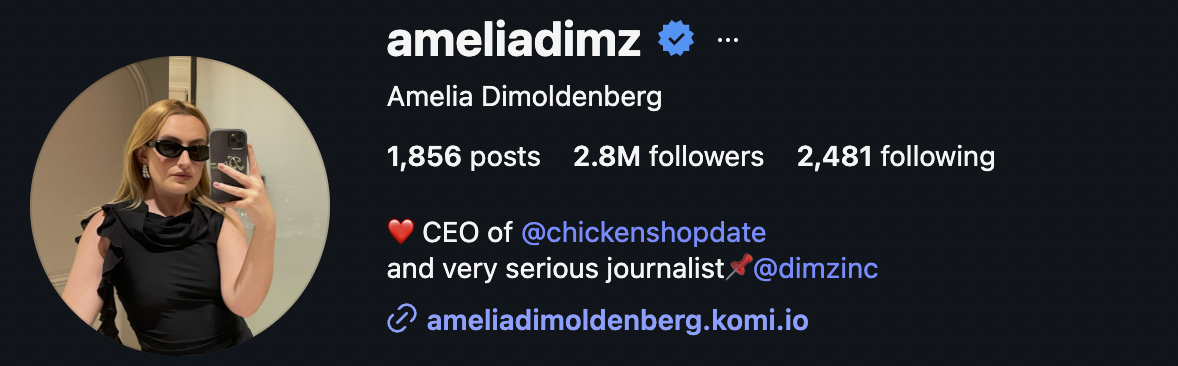
Amelia Dimoldenberg
The undisputed queen of the "awkward interview," Amelia has already proven her mettle as the Academy’s official social media ambassador. Her ability to dismantle the egos of A-list stars over fried chicken makes her the perfect candidate to bring a dry, British wit to the Oscars’ often self-serious opening monologue. Watching her trade deadpan barbs with a Best Actor nominee would provide the exact kind of "uncomfortable" humor that keeps viewers glued to their screens and clipping highlights for TikTok.
Amelia represents a shift toward "anti-hosting," where the host isn't just a cheerleader for Hollywood, but a relatable outsider asking the questions we actually want answered. Her presence would turn a four-hour ceremony into a series of must-watch viral interactions, proving that the red carpet isn't the only place for digital stars.
Mark Fischbach
Fresh off the independent success of his 2026 horror film Iron Lung, Markiplier attended the 98th Oscars as a guest of honor, representing the ultimate "Creator-to-Film" crossover. With his resonant "radio voice" and deep technical knowledge of filmmaking, Mark is one of the few creators who commands genuine respect from both Gen Z and industry veterans. He is a veteran of high-stakes live production, having managed massive, multi-million dollar charity streams with professional ease.
As a host, he could offer a unique perspective: the self-made auteur who understands the "magic of movies" without the traditional studio gatekeeping. His involvement would signal to the world that the Academy finally recognizes independent digital creators as legitimate filmmakers, potentially bringing tens of millions of loyal "Markiplier" fans to the traditional broadcast for the first time.
Brittany Broski
Brittany Broski is a comedic powerhouse who can pivot from high-brow art history to niche internet memes in a single breath. Having already hosted the 2026 Vanity Fair Oscar Party red carpet, she has proven she can handle the pressure of Hollywood’s biggest night while keeping the audience laughing. Brittany is the "voice of the fan", she reacts to celebrities with the same chaotic energy and genuine awe that the audience feels at home.
Her ability to deliver a monologue that is both biting and deeply affectionate would be a breath of fresh air for a ceremony that often struggles to find the right tone. She represents the "Social-First" era of entertainment, where being a scholar of pop culture is just as important as being a performer.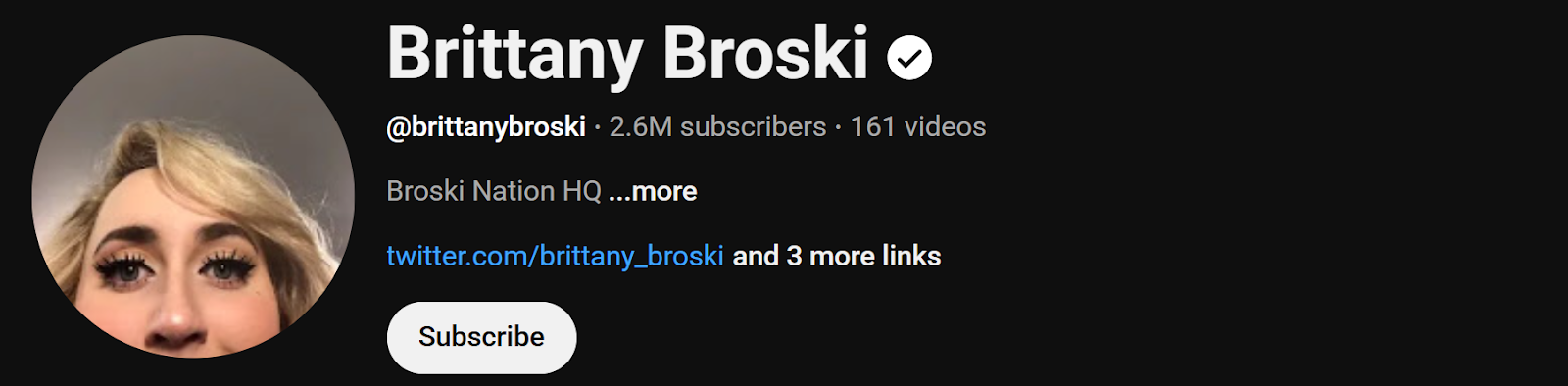
Jimmy Donaldson
With rumors swirling that Jimmy may host in 2029 when the Oscars officially move to YouTube, he remains the logical choice for sheer scale and innovation. His "stunt-philanthropy" style could fundamentally reinvent the awards show format, potentially turning the "Best Picture" announcement into a global interactive event. Imagine an Oscar ceremony where the audience at home can participate in real-time challenges to unlock exclusive content or donate to film preservation charities.
MrBeast doesn't just make videos; he creates "events" that stop the world. His presence would guarantee the highest ratings in the history of the Academy Awards, as his reach extends to every corner of the globe. He is the only person capable of turning the Oscars from a passive viewing experience into an active, participation-based digital phenomenon.
Emma Chamberlain
Emma Chamberlain has successfully transitioned from a teenage vlogger to a high-fashion icon and burgeoning actress, appearing in the 2026 thriller Forbidden Fruits. Her relatable, stream-of-consciousness style would offer a "meta" commentary on the ceremony, making the long broadcast feel like a cozy, intimate conversation with a friend rather than a rigid awards show.
Emma’s strength lies in her vulnerability and her ability to call out the absurdity of fame while standing right in the middle of it. As a host, she would provide the "inside-out" perspective that younger audiences crave, likely documenting the entire process from the dressing room to the stage. She is the bridge between the "old guard" of fashion and the "new guard" of digital influence, making her an ideal choice for the Academy’s aesthetic evolution.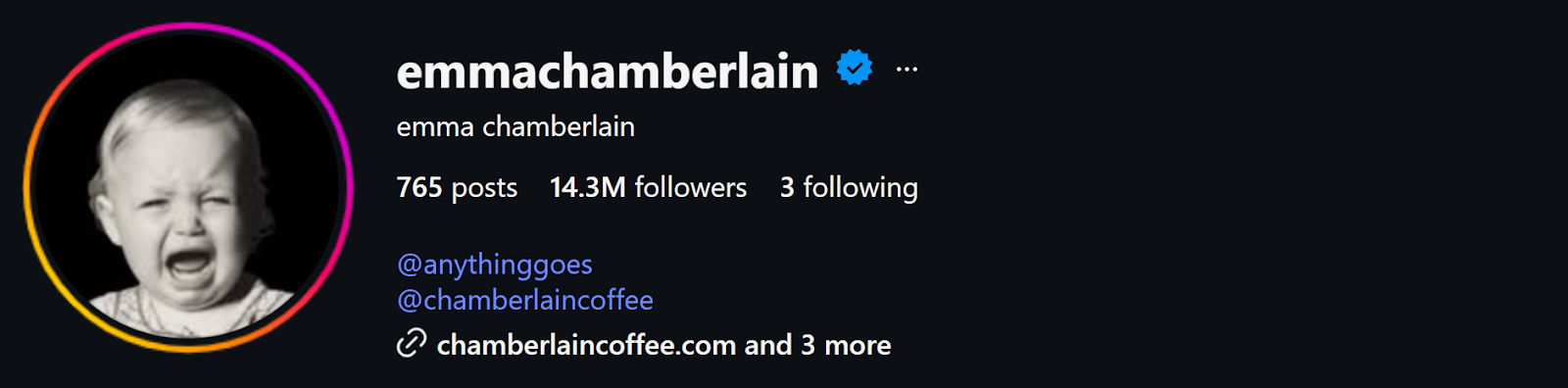
Kai Cenat
As the undisputed king of live-streaming, Kai Cenat understands real-time engagement better than anyone in traditional media. His high-energy "Subathons" and ability to pull record-breaking numbers on Twitch suggest he could bring the "live" back to the Oscars, making it a "can't-miss" event for the streaming generation. Kai’s hosting style would be unpredictable, energetic, and deeply interactive, likely involving live "reactions" to the winners that would immediately trend across every social platform.
He represents the raw, unfiltered future of entertainment where the audience isn't just watching, they are part of the room. Bringing Kai to the Dolby Theatre would be a bold declaration that the Academy is ready to embrace the chaotic, fast-paced energy of modern internet culture and the massive communities that power it.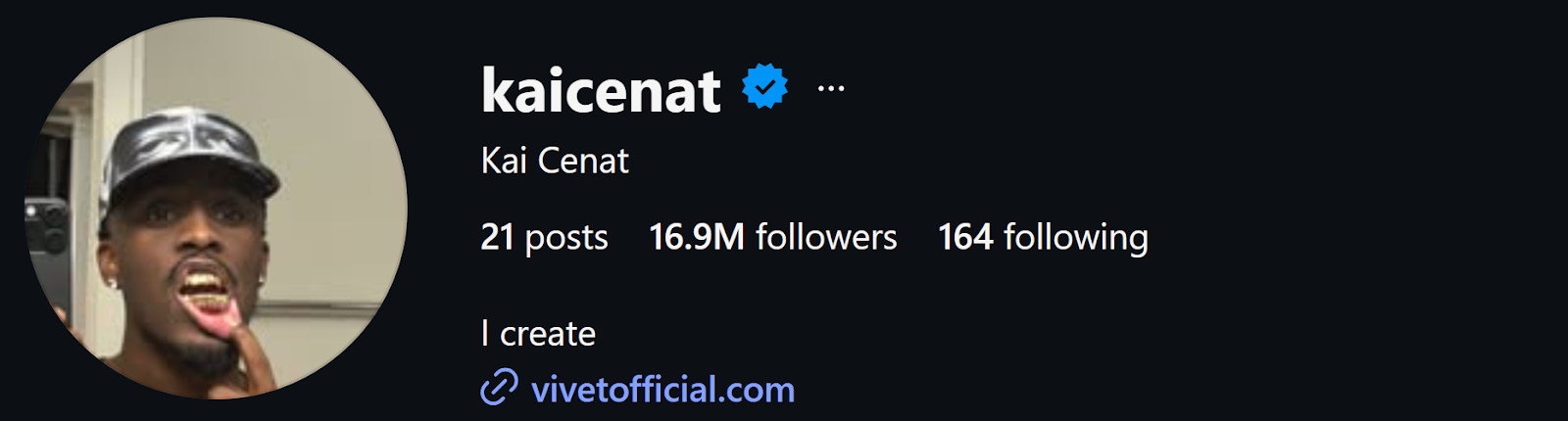
Corporate Natalie
The Oscars is, at its core, a high-stakes corporate meeting for the film industry. Natalie’s satirical take on professional culture would provide a hilarious, biting critique of the industry’s "networking," "synergy," and "brand alignment." Her monologue could focus on the "HR-approved" way to accept an award or the "logistics" of a three-hour red carpet, resonating with every professional watching from home.
By treating the Oscars like a corporate retreat, she would highlight the absurdity of the business side of Hollywood in a way that is both clever and incredibly relatable. Natalie is the master of "office lore," and her ability to apply that lens to the film industry would offer a fresh, comedic perspective that traditional hosts, who are often part of the Hollywood bubble, frequently miss.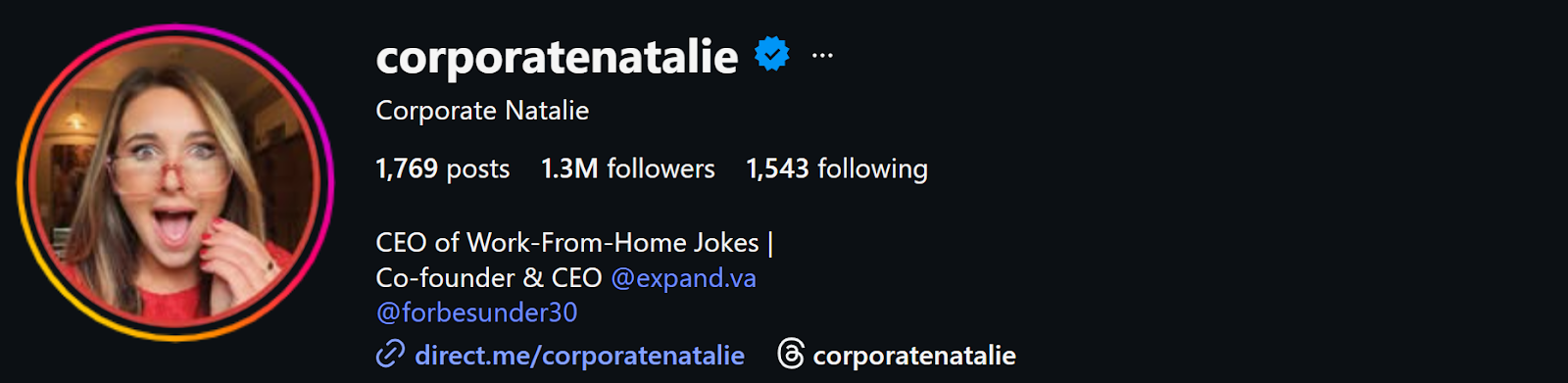
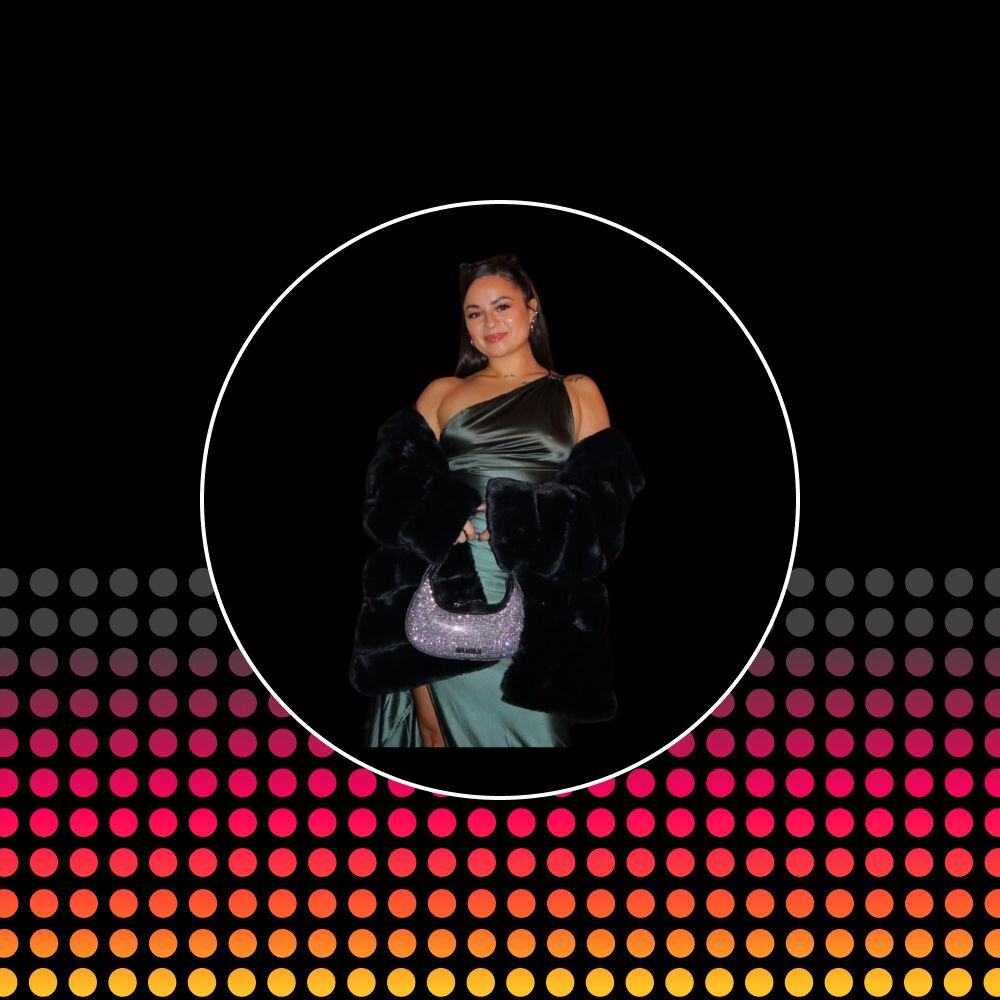
Rickey Thompson
Rickey Thompson is the personification of "Main Character Energy." His impeccable fashion sense and high-octane comedic delivery are tailor-made for the bright lights of the Oscar stage. Rickey doesn't just enter a room; he commands it with a level of joy and "slay" that the Academy has lacked for decades.
His hosting duties would likely involve multiple high-fashion reveals and a commentary style that celebrates the glamour of the night while keeping things grounded in humor. He is a creator who understands the visual language of the internet, ensuring that every moment of his hosting stint is "gif-able" and shareable. Rickey would bring a much-needed sense of celebration and high-fashion fun to the proceedings, reminding everyone that the Oscars should, above all else, be an entertaining show.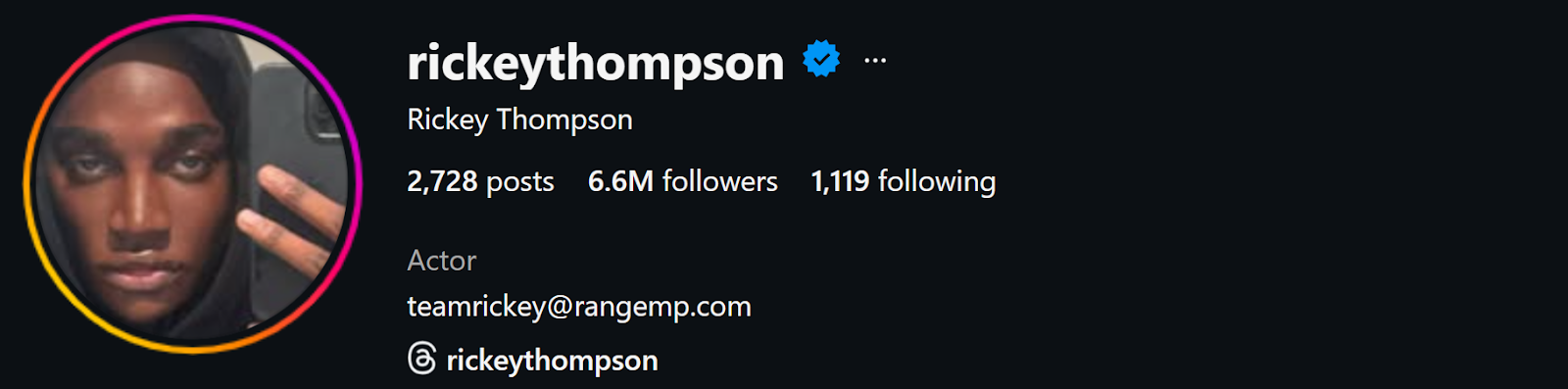
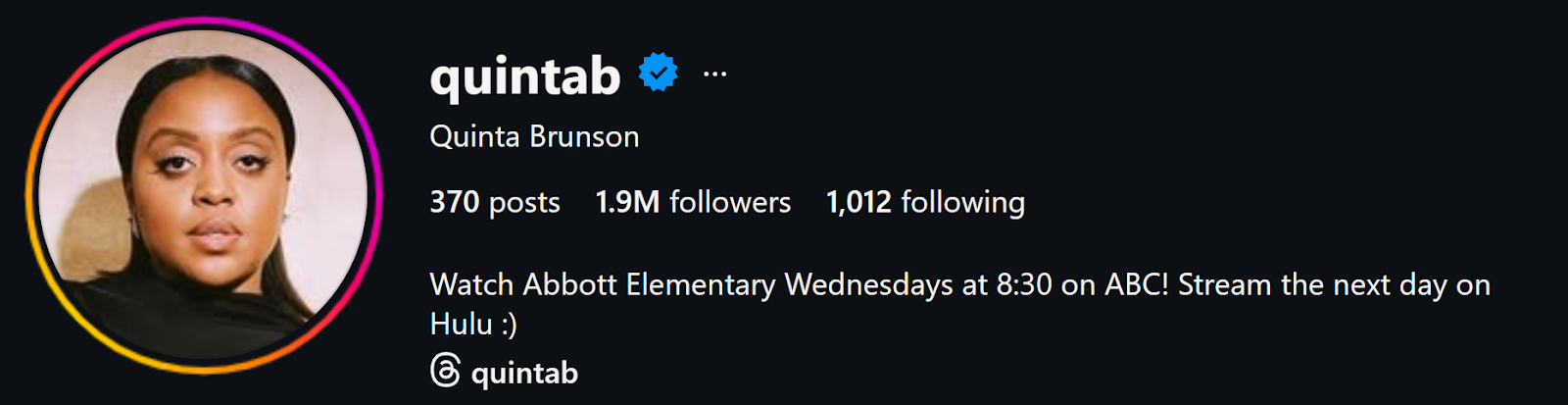
Quinta Brunson
While now a major television star and Emmy winner, Quinta’s roots are firmly planted in the digital world of BuzzFeed and viral skits. She is the perfect "hybrid" host, someone who understands the pacing and prestige of a traditional Hollywood broadcast but retains the quick-fire wit and relatability of a digital content creator.
Quinta has the rare ability to navigate both worlds with total ease, making her a "safe" yet "forward-thinking" choice for the Academy. Her writing background ensures that her monologue would be sharp, topical, and perfectly timed, while her digital history ensures she can connect with the younger viewers who have abandoned traditional TV. She is proof that "digital-first" talent can become the pillars of the entertainment industry, making her a symbolic and effective host.
Reece Feldman
Reece Feldman has spent the last few years as the literal bridge between film sets and TikTok. He understands the "magic of movies" from the inside out, often working behind the scenes to help major studios translate their films for a digital audience. A hosting stint from Reece would be a genuine love letter to cinema, told through the lens of someone who truly loves the craft and the history of the medium.
His style is earnest, educational, and visually innovative, making him the perfect host for a ceremony that wants to celebrate the "art" of film while staying relevant to the "social-first" generation. Reece wouldn't just host the show; he would document the technical beauty of the evening, making the Oscars feel like a shared masterclass in filmmaking.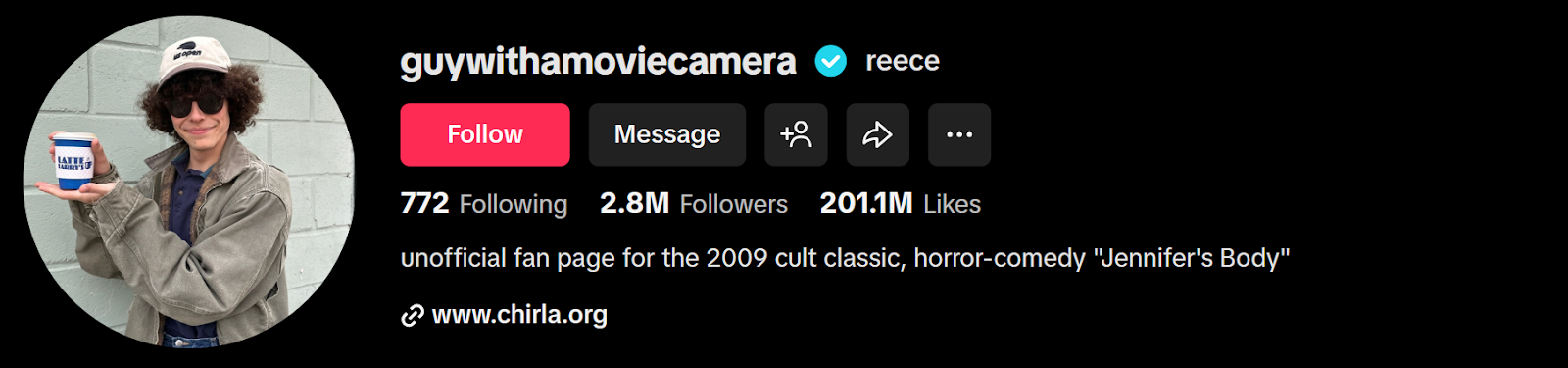
The New Gold Standard
The future of the Academy Awards depends on its ability to acknowledge that the "gold standard" of influence has shifted from the silver screen to the smartphone. While the 2026 ceremony was a success in traditional terms, the missed opportunity to leverage these ten creators is a sign that Hollywood is still playing catch-up with the culture it claims to lead.
Hosting is no longer about reading a teleprompter; it is about community management, real-time engagement, and authentic storytelling, skills that these digital pioneers have mastered. As we look toward 2027 and the eventual move to streaming-first broadcasts, the Academy must realize that their most valuable assets aren't just the nominees, but the creators who can turn a three-hour show into a global conversation. The stage is set; it’s time to let the creators take the mic.

.jpg)